
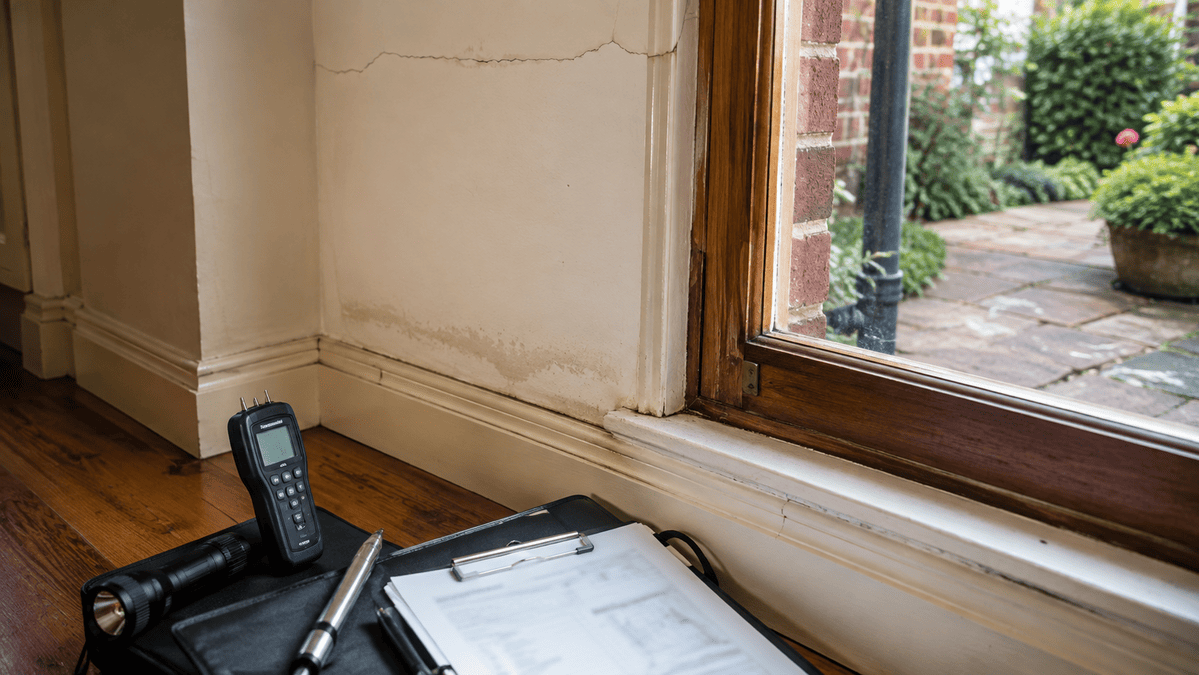
Receiving a building inspection report can be reassuring, but it can also leave you scratching your head when you come across phrases like “Monitor This Issue.” If you’re buying a home, it’s natural to wonder whether this means the property has a serious problem or whether it’s simply something to keep an eye on.
The good news is that this recommendation is usually neither a clean bill of health nor an immediate warning to walk away. Instead, it highlights an issue that deserves future attention because it could change over time.
This article explains what the phrase means, why inspectors use it, and how you can respond confidently after reading your report.
At a Glance
- “Monitor This Issue” usually means a condition is not currently severe, but should be observed over time.
- It does not automatically mean expensive repairs are required immediately.
- Monitoring helps identify whether a condition remains stable or begins to deteriorate.
- Some monitored issues may never become significant, while others may require future maintenance or specialist assessment.
- If you’re unsure how a finding affects your purchase, discuss it with your inspector before making a decision.
What Does “Monitor This Issue” Actually Mean?
When an inspector recommends monitoring an issue, they’re saying that a visible condition has been identified, but there isn’t enough evidence to conclude that urgent repair or replacement is currently necessary.
In simple terms, they’re advising:
“This doesn’t appear to be a major defect today, but it should be checked periodically because conditions can change.”
This wording is common in professional inspection reports because inspectors provide a snapshot of the property’s condition on the day of inspection. They cannot predict exactly how every defect will develop over time.
Why Inspectors Use This Recommendation
Buildings naturally move, age and respond to weather, moisture and normal use.
Some examples include:
- Minor hairline wall cracks
- Slight timber movement
- Early signs of moisture staining
- Small areas of surface corrosion
- Minor settlement around external paths
- Isolated areas of deteriorating sealant
These issues may remain unchanged for years, or they may slowly worsen depending on environmental conditions, maintenance and ongoing structural movement.
Rather than overstate the risk, inspectors often recommend monitoring until further evidence suggests a different course of action.
Does It Mean There’s a Serious Problem?
Usually, no.
One of the biggest misconceptions buyers have is assuming that every recommendation in an inspection report signals a major defect.
In reality, inspection findings generally fall into three broad categories:
| Finding | What It Usually Means |
| Maintenance item | Routine upkeep is recommended. |
| Monitor this issue | Observe the condition over time for changes. |
| Further investigation recommended | Additional specialist assessment may be appropriate before making decisions. |
A monitored issue sits somewhere in the middle. It deserves attention but isn’t necessarily considered urgent based on what was visible during the inspection.
Common Examples of Issues That May Be Monitored
Minor Cracking
Small plaster or brick cracks often occur as buildings naturally settle.
If they remain stable, they may simply require cosmetic repairs. If they widen over time, further investigation may become appropriate.
Moisture Staining
An old water stain doesn’t always indicate an active leak.
If the area remains dry and unchanged, it may simply be historical damage. If new staining appears or moisture increases, the cause should be investigated.
Timber Movement
Timber expands and contracts as humidity changes.
Minor movement can be normal, particularly in older homes.
Surface Rust
Small areas of rust on external steel components may simply require maintenance rather than immediate replacement.
What Should Buyers Do?
Don’t panic.
Instead, use the recommendation as part of your overall understanding of the property’s condition.
A sensible approach includes:
- Read the inspector’s comments carefully.
- Compare any photographs provided.
- Ask questions if the wording isn’t clear.
- Keep a copy of the report for future reference.
- Monitor the area after settlement if you purchase the property.
If you’re still within the buying process, discussing the findings with your conveyancer or other relevant professionals may also help you understand how the issue fits into your overall due diligence.
When Might Further Investigation Be Needed?
Sometimes a monitored issue changes over time.
Examples include:
- cracks becoming wider
- new moisture appearing
- doors beginning to stick
- floors becoming uneven
- mould developing around previously dry areas
If noticeable changes occur, seeking further professional advice is generally the safest course of action.
The Victorian Building Authority also encourages property owners to address building maintenance early to prevent minor issues from becoming more significant.
Monitoring Doesn’t Mean Ignoring
One important distinction is that monitoring is not the same as forgetting about the issue.
Instead, think of it as creating a simple maintenance reminder.
Many homeowners take photographs every six to twelve months so they can compare whether cracks, moisture or movement have changed. This provides useful information if a specialist assessment is ever needed.
How This Affects Your Buying Decision
A report containing one or more monitored items does not automatically mean you should avoid purchasing the property.
Instead, ask yourself:
- Are these isolated maintenance issues?
- Do they appear consistent with the property’s age?
- Has the inspector identified any major structural concerns separately?
- Am I comfortable budgeting for normal maintenance over time?
A monitored issue is only one part of the overall picture.
If you’re purchasing a property in Victoria, a professional Pre-Purchase Building Inspection helps you understand not only what has been found, but also the practical significance of those findings before you commit.
You can also learn more about independent property inspections on the NextGen Inspections homepage, where buyers can explore resources designed to support informed purchasing decisions.
Frequently Asked Questions
Does “Monitor This Issue” mean I need immediate repairs?
Not usually. It generally means the condition should be observed over time unless it begins to deteriorate.
Can I still buy a property with monitored issues?
In many cases, yes. Many homes contain minor maintenance items or conditions that simply require ongoing observation rather than immediate repair.
Should I ask the inspector for clarification?
Absolutely. If you’re unsure what a recommendation means, your inspector can explain how significant the finding is within the context of the overall report.
Can monitored issues become serious later?
Some can, while others never change. That’s why periodic observation is recommended.
Final Thoughts
Seeing the words “Monitor This Issue” in a building inspection report shouldn’t immediately raise alarm. More often than not, it reflects a cautious, professional recommendation to keep an eye on a condition rather than evidence of a major defect.
Understanding this distinction can help you make more informed decisions without overreacting to routine inspection findings. Every property has its own maintenance needs, and knowing which issues simply require observation can provide valuable peace of mind.
If you’ve received a report and want greater confidence before proceeding, the team at NextGen Inspections can help explain the findings and assist you in making a well-informed decision. If you’re still preparing to purchase, you can also book an inspection to gain independent insight before committing to your next property purchase.