
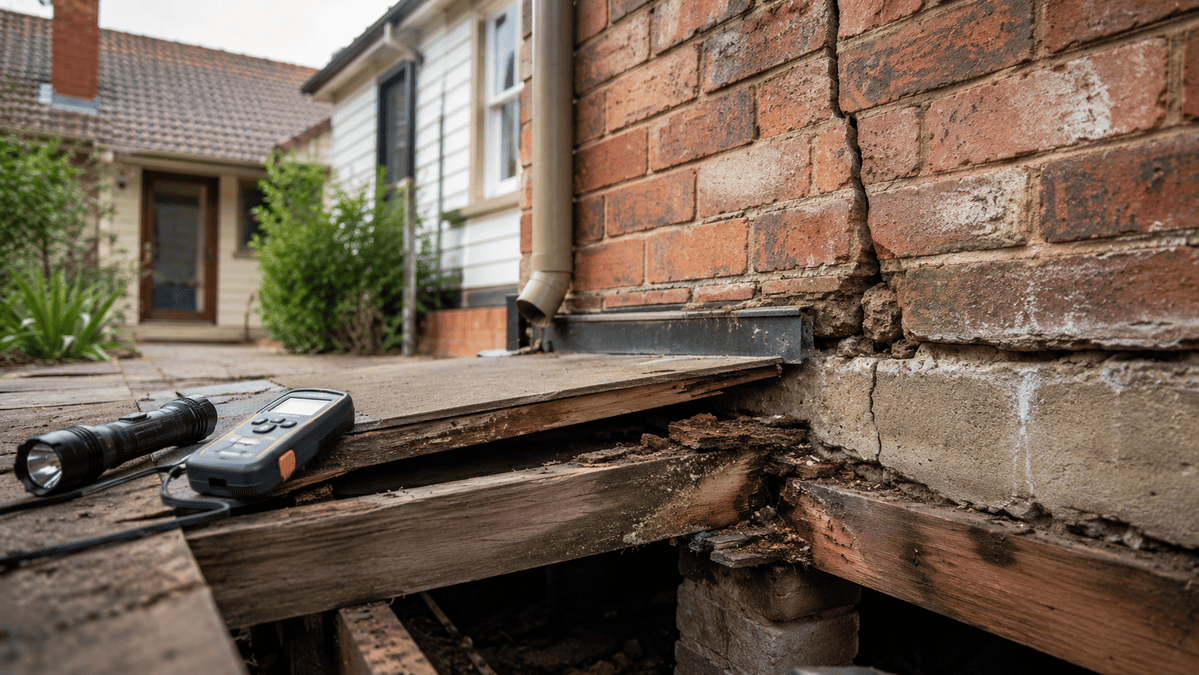
Buying a property is exciting, but reading a building inspection report can sometimes feel like decoding another language. One phrase that often catches buyers’ attention is “major defect.” It sounds serious, but what does it actually mean?
In plain English, a major defect is a problem that significantly affects part of a property’s structure, safety, or function. It doesn’t automatically mean the home is beyond repair or that you should walk away. It simply means the issue deserves careful consideration before you commit to buying.
This guide explains what a major defect usually means, why it matters, and what practical steps property buyers in Victoria should consider after seeing the term in an inspection report.
At a Glance
- A major defect is more than normal wear and tear.
- It usually affects the property’s structural integrity, safety, or intended use.
- Many major defects can be repaired, but they may involve significant cost or specialist work.
- The term does not automatically make a property a bad purchase.
- Professional advice helps buyers understand the real impact before making a decision.
What Does “Major Defect” Mean?
Although different inspection standards and professionals may describe issues slightly differently, a major defect generally refers to a defect that has a substantial impact on an important part of the building.
In practical terms, this could mean a problem that:
- Reduces structural stability.
- Creates a safety concern.
- Allows ongoing water penetration.
- Causes significant deterioration if left untreated.
- Requires substantial repair or replacement.
The important point is that the term describes the importance of the defect, not necessarily the age or appearance of the property.
Major Defect Does Not Mean the House Is Falling Down
Many buyers panic when they first read the words “major defect.”
Fortunately, that’s rarely the full story.
For example, a house may have:
- Significant movement causing structural cracking.
- A badly deteriorated roof section.
- Serious subfloor timber decay.
- Extensive moisture damage affecting structural elements.
These are important issues, but many can still be repaired by the appropriate trades or specialists. The inspection report helps buyers understand the property’s condition before contracts become unconditional.
Common Examples of Major Defects
Every property is different, but examples often include:
Significant Structural Cracking
Large cracks may indicate movement within the building that requires further investigation.
Roof Damage
Major roof deterioration can lead to water ingress, timber damage, and costly repairs if ignored.
Severe Moisture Problems
Persistent moisture may damage framing, flooring, insulation, or internal finishes over time.
Structural Timber Decay
Rotting structural timber can reduce the strength of important building components.
Foundation Movement
Movement in foundations may affect walls, floors, doors, windows, and the overall stability of parts of the building.
Remember that only a qualified professional can determine the cause and significance of individual defects.
How Is a Major Defect Different From a Minor Defect?
The difference usually comes down to the impact on the building.
| Minor Defect | Major Defect |
| Cosmetic or routine maintenance issue | Affects important building elements |
| Usually inexpensive to repair | May require significant repair work |
| Limited impact on safety or function | May affect structural integrity, safety, or long-term performance |
| Common in many homes | Requires closer investigation |
Not every crack, stain, or squeaky floor is considered a major defect. Context matters, which is why inspection reports explain the findings rather than relying on labels alone.
Why Buyers Should Take Major Defects Seriously
A major defect doesn’t necessarily stop a property purchase, but it should influence your decision-making.
Understanding the issue allows you to:
- Estimate likely repair costs.
- Decide whether further specialist advice is needed.
- Understand future maintenance requirements.
- Make a more informed purchasing decision.
For buyers in Victoria, due diligence before purchasing property is strongly encouraged. The Consumer Affairs Victoria guidance for buying property outlines the importance of obtaining independent information before committing to a purchase.
What Should You Do If Your Report Identifies a Major Defect?
Stay calm.
A report identifying a major defect is valuable because it provides information before settlement, when you still have options.
Practical next steps may include:
- Read the inspector’s comments carefully.
- Understand exactly which part of the property is affected.
- Ask whether further specialist assessment is recommended.
- Discuss the findings with your conveyancer or legal adviser where appropriate.
- Consider likely repair costs before making your final decision.
If you’re arranging a pre-purchase building inspection, understanding these findings early helps you make a more confident decision rather than relying solely on appearances during an open inspection.
A Simple Example
Imagine you inspect two houses.
House A
The report notes:
- Peeling paint
- Loose door handle
- Worn carpet
These are generally maintenance items rather than major defects.
House B
The report identifies:
- Significant roof movement
- Structural timber decay
- Moisture affecting structural framing
These issues have a much greater impact on the property’s condition and may require substantial repairs.
The second property isn’t automatically a bad purchase, but it deserves more careful consideration.
Remember That Every Property Is Different
Inspection reports are based on the visible condition of a property at the time of inspection.
A major defect in one home may have a completely different cause, repair method, or level of urgency compared with a similar-looking issue elsewhere.
That’s why it’s important not to rely on internet checklists alone. A professional inspection provides property-specific information rather than general assumptions.
You can also learn more about how professional inspections help buyers make informed decisions by visiting the NextGen Inspections homepage.
Frequently Asked Questions
Does a major defect mean I shouldn’t buy the property?
Not necessarily. Many major defects can be repaired. The key is understanding the extent of the issue, the likely repair costs, and whether the purchase still suits your circumstances.
Is a major defect the same as a dangerous defect?
Not always. Some major defects involve safety concerns, while others mainly affect structural performance or long-term durability.
Can a major defect be repaired?
Many can. The appropriate repair depends on the nature of the defect and should be assessed by the relevant qualified professional where necessary.
Should I get another opinion?
If your inspection report recommends further investigation by a specialist, it’s usually sensible to obtain that advice before making a final decision.
Make Better Decisions With Clear Information
A building inspection report isn’t designed to frighten buyers. Its purpose is to provide independent information that helps you understand a property’s condition before you commit.
If your report mentions a major defect, focus on understanding what it means, what further advice may be appropriate, and how the issue affects your overall decision.
If you’re preparing to buy a property and want greater confidence before signing contracts, you can book an inspection with NextGen Inspections and receive practical, independent information that helps reduce uncertainty before you move forward.