
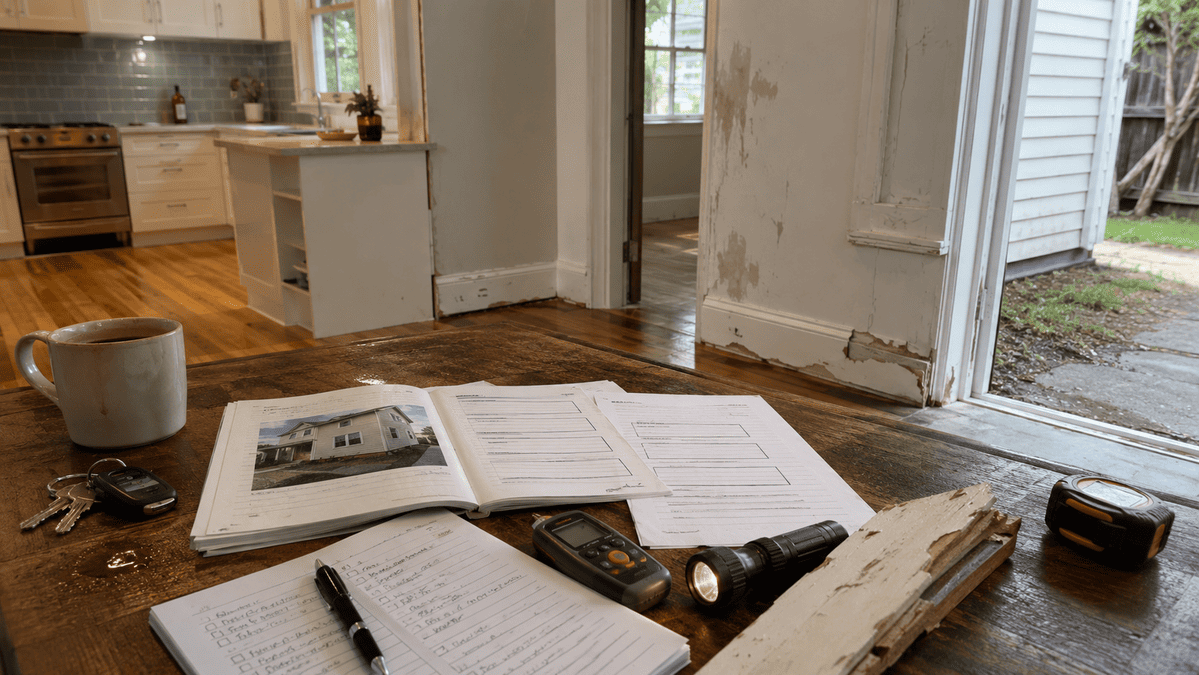
Auction campaigns move fast. Sometimes uncomfortably fast.
One weekend you are casually browsing listings. The next, you are trying to organise finance, review documents, inspect the property, and decide whether you are comfortable bidding against twelve emotionally charged strangers holding coffee cups and unrealistic optimism.
When the timeline is short, buyers often focus on the obvious things like price, location, and auction day nerves. What gets missed are the smaller due diligence steps that can turn into expensive surprises later.
This article focuses on the highest-risk omissions buyers make under tight pre-auction pressure, not full auction preparation generally. The goal is simple: help you prioritise what matters most when time is limited.
At a Glance
- Tight auction timelines increase the risk of rushed decisions
- Cosmetic presentation can distract buyers from underlying issues
- Missing documents are often ignored until it is too late
- Some warning signs deserve immediate attention, even during a fast campaign
- A rushed buyer should prioritise risk reduction, not perfection
- Independent inspections can help clarify concerns before auction day
- Victoria buyers should still complete careful due diligence even under pressure
If you only have a few days before auction, focusing on the right things matters more than trying to investigate everything.
The Biggest Mistake Buyers Make Under Time Pressure
Most rushed buyers try to “cover everything”.
That usually backfires.
Instead of prioritising the highest-risk issues, they spend hours comparing paint colours, kitchen styling, or whether the laundry feels “a bit small”. Humans are fascinating creatures. You can ignore subfloor moisture but spend twenty minutes debating pendant lights.
Under a short timeline, your goal is not perfect certainty. It is reducing the chance of a major hidden problem.
That means focusing on issues that could seriously affect:
- safety
- structural integrity
- repair costs
- future resale
- compliance concerns
- liveability
Don’t Ignore Missing Renovation Documents
Fresh renovations often create urgency because properties present well and attract strong auction interest.
But presentation is not documentation.
If the home has:
- extensions
- major bathroom upgrades
- retaining walls
- deck additions
- structural changes
- recent waterproofing work
…buyers should pay attention to whether approvals, permits, warranties, or certificates are available.
According to Consumer Affairs Victoria’s due diligence guidance, buyers should investigate building permits and related approvals before purchase where relevant.
This does not mean every renovated home is problematic. It means rushed buyers should avoid assuming “new equals safe”.
Watch for Signs That Suggest Bigger Issues
Under auction pressure, buyers sometimes mentally downgrade warning signs because they feel they do not have time to investigate properly.
That is risky.
A few issues worth taking seriously include:
| Warning Sign | Why It Matters |
| Fresh paint in isolated areas | May hide patching, staining, or moisture |
| Doors sticking or uneven floors | Could indicate movement or settling |
| Strong damp or musty smells | May suggest moisture or ventilation issues |
| Cracks around windows or ceilings | Could require closer assessment |
| Bubbling paint or swollen skirting | Possible moisture intrusion |
| Poor drainage outside | Water issues can become expensive later |
Not every sign means disaster. Older homes especially can show wear without major structural problems.
The key is understanding which issues deserve further investigation before auction day.
Don’t Assume the Seller’s Reports Tell the Full Story
Sometimes sellers provide inspection reports upfront.
These can be useful, but buyers should still think independently about:
- how recent the report is
- whether limitations are noted
- whether inaccessible areas existed
- whether the findings match what you observed onsite
In fast-moving auction campaigns, buyers occasionally rely too heavily on whatever paperwork is already available because it feels easier.
Independent due diligence still matters.
That is why some buyers organise their own pre-purchase building inspection before committing, especially if concerns already exist.
Prioritise Access and Timing Early
One common mistake is waiting too long to organise inspections or access.
Auction campaigns in Melbourne can move quickly, particularly in competitive areas or during busy weekends.
If you suspect you may bid:
- organise inspections early
- speak with agents promptly
- confirm access availability
- avoid leaving everything until the final 48 hours
The earlier you clarify concerns, the calmer your decision-making tends to become.
Panic rarely improves property judgement. It mostly improves caffeine consumption.
Understand What You Can Realistically Learn in a Few Days
Under a tight deadline, buyers sometimes expect complete certainty.
That is unrealistic.
A short pre-auction timeframe usually means prioritising:
- major risks
- visible warning signs
- missing documentation
- obvious defect patterns
- urgent follow-up concerns
It does not mean turning the process into a six-week engineering investigation.
A practical approach is often more useful than chasing absolute perfection.
Quick Example: A Rushed Auction Buyer
Imagine a buyer inspecting a renovated weatherboard home on Wednesday before a Saturday auction.
The home looks polished:
- new flooring
- fresh paint
- modern kitchen
- renovated bathroom
But they also notice:
- slight floor movement near the hallway
- a strong air freshener smell
- patching near window corners
- no clear renovation documentation available yet
In a rushed scenario, ignoring those signs because “the auction is close anyway” could create unnecessary risk.
A more practical response would be:
- ask questions immediately
- request documentation
- organise professional inspection advice if possible
- understand what concerns are cosmetic versus potentially larger issues
Focus on Decision Clarity, Not Fear
Good due diligence should reduce uncertainty. It should not create panic.
Most properties have imperfections. Especially older homes in Victoria.
The goal is not finding a flawless property. The goal is understanding:
- what you are buying
- what risks exist
- what future costs may appear
- what issues may need attention sooner rather than later
That is a much more useful mindset than either blind confidence or total fear.
A Simple Priority Checklist Before Auction
If auction timeframes are tight, focus on these first:
High Priority
- Visible moisture or drainage concerns
- Structural warning signs
- Missing renovation approvals
- Major cracking or movement indicators
- Signs of termite activity or timber damage
- Time-sensitive inspection access
Medium Priority
- Maintenance items
- Cosmetic defects
- Minor wear and tear
- Non-urgent repairs
Lower Priority
- Styling preferences
- Furniture layout concerns
- Easily changeable cosmetic details
Humans do love spending emotional energy on paint colours while ignoring roof drainage. A species committed to chaos.
Final Thoughts
Short auction timelines do not automatically mean bad decisions. But they do increase the chance of overlooking important details.
The key is knowing what deserves attention first.
If you are under pressure before auction day and need independent clarity, the team at NextGen Inspections can help buyers prioritise the right concerns without overcomplicating the process.
If timing or property access is tight, you can also speak with NextGen about booking options before auction day so you can make a more informed decision with the time available.