
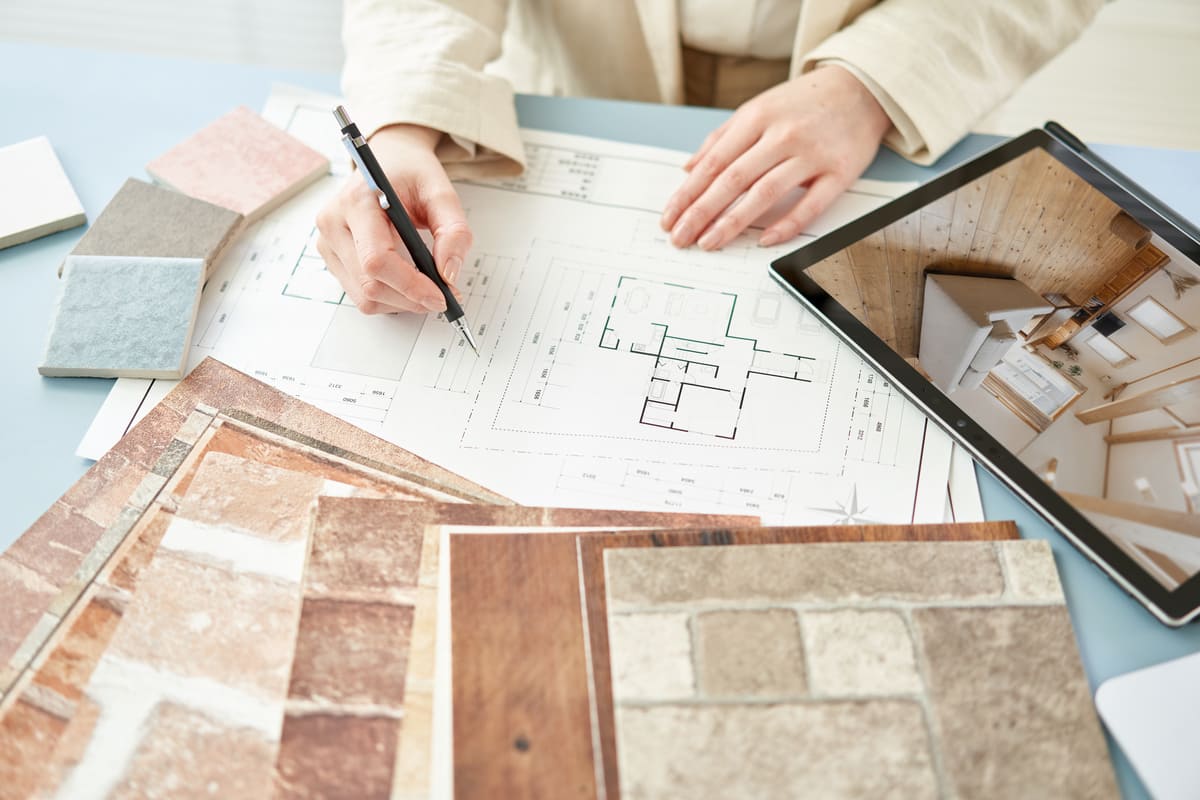
A fresh renovation can look reassuring, but paperwork is what helps you check whether the work behind the finish was done properly.
If you are looking at a recently renovated home in Melbourne or wider Victoria, this guide will show you what documents to ask for, why missing paperwork matters, and when to organise a pre-purchase building inspection before you commit.
- Cosmetic updates can hide poor workmanship, moisture issues, or incomplete work.
- Missing documents can create uncertainty around safety, compliance, and future repair costs.
- Owner-builder renovations need extra attention, especially if the work was done recently.
- It is smarter to ask for documents early, not after you are emotionally committed to the property.
Why recently renovated homes need extra checking
A new kitchen, fresh paint, stylish bathrooms, and modern flooring can make a home feel move-in ready.
That presentation can also distract buyers from what matters underneath, including waterproofing, plumbing changes, electrical work, ventilation issues, drainage, or workmanship shortcuts.
Recently renovated homes often need more questions, not fewer.
This does not mean every renovation is poor quality. It means buyers should not rely on appearance alone.
The key documents buyers should ask for
Waterproofing certificate or waterproofing paperwork
If bathrooms, laundries, ensuites, or wet areas have been renovated, ask for the waterproofing certificate or any waterproofing documentation the vendor has.
You also want to know:
- who completed the waterproofing
- when the work was done
- what areas were waterproofed
- whether there are warranties, invoices, or product details available
This matters because wet area failures often stay hidden until water damage, swelling, mould, or tile movement starts showing up later.
If the bathroom looks brand new but there is no paperwork, that does not automatically mean the job is defective. It does mean you should be more cautious.
Electrical certificate
If there has been rewiring, switchboard work, new lighting, added power points, kitchen electrical work, air conditioning work, or other electrical changes, ask for the electrical certificate.
For extra background on Certificates of Electrical Safety, Victoria requires formal documentation for electrical installation work.
Ask for:
- the certificate itself
- the electrician’s details
- the date of completion
- any supporting invoice or scope of works
Electrical work is one of the last things buyers want to guess on.
Plumbing certificate
If the renovation included bathrooms, kitchens, hot water systems, drains, gas work, or relocated fixtures, ask for the plumbing certificate or plumbing compliance paperwork.
The Victorian Building Authority provides information on plumbing compliance certificates, which helps buyers understand what compliant plumbing documentation looks like.
Ask for:
- the plumbing compliance certificate
- the plumber’s details
- invoices or a summary of the work completed
- any documents relating to drainage or sewer changes
Plumbing issues can stay hidden behind cabinetry, walls, and tiles. A nice finish does not tell you whether the work behind it was done properly.
Building permits and approvals where relevant
Some renovation work needs building permits, inspections, or sign-off.
This can depend on the scope of works, but buyers should ask whether the renovation involved:
- structural changes
- removed or altered walls
- extensions
- decking, verandas, or carports
- significant bathroom relocation
- major building alterations
Where relevant, ask for:
- building permit documents
- approved plans
- occupancy permit or certificate of final inspection
- details of the building surveyor involved
If the answer is vague, that is worth slowing down for.
Owner-builder documents and Section 32 paperwork
If the property was renovated by an owner-builder, buyers should look closely at the Section 32 and ask whether the required owner-builder documents are attached.
This is especially important if the works were completed within the last 6 years and 6 months.
Ask questions like:
- Was the work done as an owner-builder project?
- Is there a defects report attached where required?
- Is there domestic building insurance where required?
- Are the renovation details clearly disclosed in the Section 32?
For more detail on owner-builder obligations in Victoria, see the Consumer Affairs Victoria page on owner builders.
If the home was recently renovated by an owner-builder, paperwork matters even more.
Why missing documentation matters
It affects how much confidence you can have in the renovation
Missing paperwork does not prove the work is defective.
What it does do is remove a layer of confidence. If key work cannot be backed up with documents, buyers may be left guessing about who did it, how it was done, and whether it was completed to a proper standard.
It can make future issues harder to deal with
If a leak appears, electrical issue arises, or plumbing problem shows up after settlement, documents can help you understand what was done and who carried it out.
Without that trail, you may be starting from scratch.
It can affect price negotiations and decision-making
Good documentation can support confidence.
Poor documentation, or no documentation, can justify a more cautious offer, a request for more time, or a decision to walk away if the risk feels too high.
It can hide the true cost of the purchase
First-home buyers especially can get caught by presentation.
A property may feel like a finished product, but if the renovation quality is poor, the real cost can show up later through:
- leak repairs
- electrical rectification
- plumbing faults
- re-tiling or waterproofing works
- painting and patching after invasive repairs
That is why buyers should leave a buffer in their budget for the unforeseen, not buy right to their limit.
What paperwork still does not tell you
Documents are useful, but they do not replace an inspection.
A certificate may show that work was done by the right trade, but it does not tell you everything about the overall condition of the home, older defects elsewhere, timber pest risk, moisture issues outside the renovation zone, or how well the property has been maintained.
That is where a combined building and timber pest inspection can be useful, especially if the home is recently updated but the rest of the property is older.
When to organise an inspection
Before the pressure ramps up
The best time is as early as possible, ideally before auction or while you still have room to act under the contract conditions available to you.
Do not wait until the paperwork feels questionable and the deadline is already tight.
When the renovation is a big part of the sales pitch
If the listing leans heavily on phrases like recently renovated, fully updated, brand new bathroom, designer kitchen, or move-in ready, that is a good reason to inspect early.
When documents are missing, unclear, or incomplete
If the agent or vendor cannot provide clear answers, that is your signal to get independent advice quickly.
Plain-English, buyer-side guidance is most useful before you are locked in.
Common mistakes buyers make
Assuming new means low risk
New finishes can create a false sense of security.
Sometimes older homes with untouched finishes show their issues more honestly than renovated homes with cosmetic cover-ups.
Asking for paperwork too late
By the time some buyers request documents, they are already under time pressure or emotionally attached to the property.
Ask early.
Focusing only on the bathroom or kitchen
Recently renovated wet areas deserve attention, but buyers should still consider the whole property, including roof space, subfloor, drainage, movement, ventilation, and timber pest risk.
Believing paperwork alone is enough
Documents are part of the picture, not the whole picture.
Ignoring owner-builder clues
If the work was done by the owner, buyers should slow down and read the Section 32 carefully with their conveyancer.
Quick checklist and next steps
Before you move forward on a recently renovated property, ask for:
- waterproofing certificate or wet area paperwork
- electrical certificate
- plumbing certificate
- permits and approvals where relevant
- occupancy permit or certificate of final inspection where relevant
- invoices, warranties, or contractor details for major works
- owner-builder documents if applicable
- Section 32 details that match the renovation story being presented
Then:
- compare the documents with what has actually been renovated
- note any gaps, inconsistencies, or vague answers
- speak with your conveyancer if owner-builder or permit issues appear
- organise a pre-purchase building inspection before you rely on presentation alone
Wrap-up
A recently renovated home can still be a great buy.
The key is making sure the finish you see is backed by documents that make sense, and by an inspection that gives you a clearer view of the risks, repair exposure, and next steps.
If the paperwork is thin, incomplete, or missing altogether, treat that as a reason to dig deeper, not a reason to hope for the best.
Book an inspection
Need help checking a recently renovated property before you commit? Book an inspection