
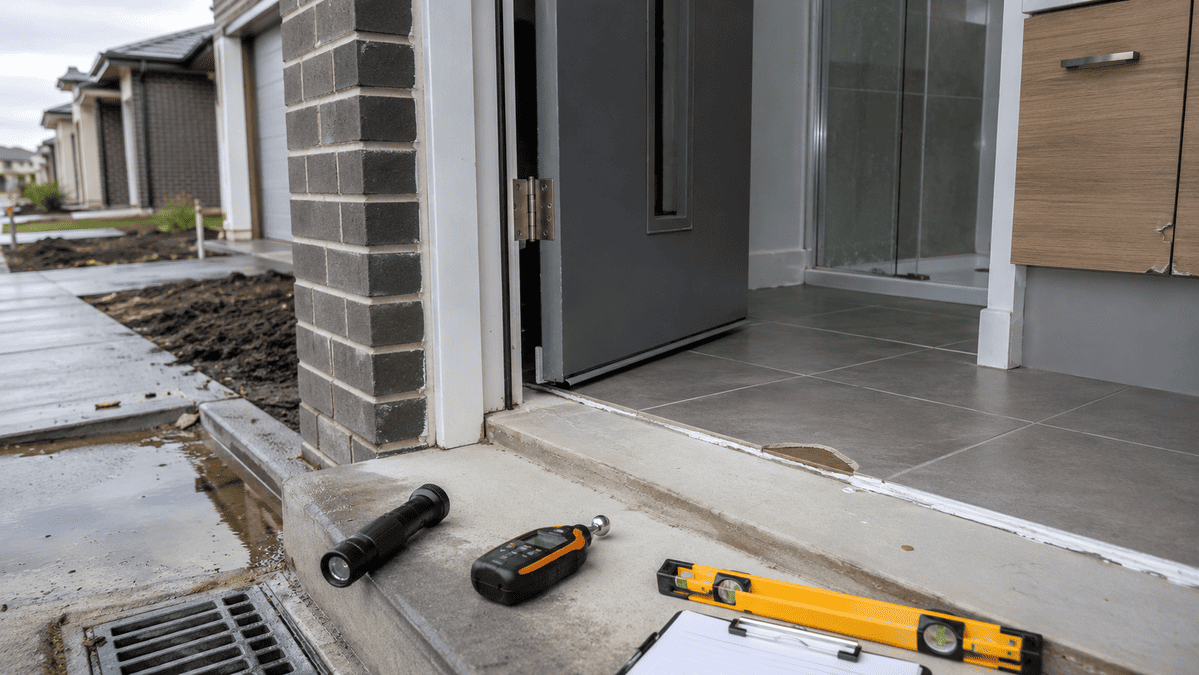
Buying a brand-new home should be an exciting milestone. After months of planning, watching construction progress, and waiting for completion, the handover stage often feels like the finish line.
However, this is also one of the most important opportunities to identify issues before taking ownership.
If you’re preparing for the handover of a house-and-land package, it’s easy to assume everything has been completed perfectly because the home is new. In reality, even newly built homes can contain workmanship defects, incomplete finishes, or installation issues that deserve attention before you accept handover.
This guide explains the types of defects buyers should take seriously, why they matter, and how to approach the handover process with confidence. It focuses specifically on common house-and-land package handover concerns rather than providing a complete pre-handover inspection checklist.
At a Glance
If you’re short on time, here’s what you need to know:
- New homes can still have defects despite being newly constructed.
- Some cosmetic issues are minor, while others may indicate larger workmanship concerns.
- Waterproofing, drainage, doors, windows, and finishes deserve careful attention.
- Identifying problems before handover is generally easier than dealing with them after moving in.
- A professional inspection can provide independent reassurance before accepting the property.
Want to understand which issues deserve a closer look? Let’s explore them.
Can Brand-New Homes Really Have Defects?
Yes.
Even quality builders work under tight schedules involving numerous trades working across different stages of construction. Small mistakes, incomplete work, or overlooked defects can occasionally remain until practical completion.
According to the Victorian Building Authority, new residential construction must comply with the relevant building standards and regulations, but practical completion does not necessarily mean every minor issue has already been identified. Buyers should still carefully inspect the property before accepting handover.
For this reason, many buyers arrange an independent inspection before collecting the keys.
Defects That Deserve Your Attention
Not every imperfection is equally important.
A tiny paint blemish is very different from poor drainage or incorrectly installed waterproofing.
Here are some of the issues worth taking seriously.
Doors and Windows That Don’t Operate Properly
Doors should:
- open smoothly
- close correctly
- latch securely
- sit square within the frame
Windows should also operate easily without sticking, rubbing, or leaving noticeable gaps.
These problems may simply require adjustment, but they can also suggest movement, poor installation, or frame alignment issues.
Cracked Tiles or Damaged Finishes
Minor cosmetic damage sometimes occurs during construction.
Look for:
- chipped floor tiles
- cracked wall tiles
- damaged benchtops
- scratched glass
- dented cabinetry
- damaged splashbacks
These are generally much easier to rectify before handover than after you’ve moved furniture into the home.
Waterproofing Concerns
Bathrooms, laundries, balconies, and wet areas deserve extra attention.
Potential warning signs include:
- water pooling
- poor drainage
- uneven falls
- visible gaps around fixtures
- incomplete silicone sealing
Because waterproofing problems may not always be visible, buyers should avoid making assumptions based purely on appearance.
The Victorian Building Authority provides guidance on waterproofing requirements because failures can lead to significant long-term damage if left unresolved.
Drainage Problems Around the Property
Water should move away from the home rather than towards it.
Pay attention to:
- standing water
- poorly graded paths
- overflowing drains
- low areas beside the slab
- ponding near external walls
Poor drainage today may contribute to future maintenance issues if ignored.
Poor Paint or Finishing Quality
Paint should provide a consistent finish across walls, ceilings, trims, and doors.
Watch for:
- excessive patching
- peeling paint
- uneven colour
- visible roller marks
- unfinished areas
While many of these issues are cosmetic, they are still worth documenting before handover.
Loose Fixtures and Fittings
Check that fixtures feel secure.
Examples include:
- taps
- towel rails
- shelving
- cupboard handles
- door hardware
- light fittings
Loose installations often indicate rushed finishing work rather than major structural concerns, but they should still be addressed before completion.
Kitchen and Cabinetry Issues
The kitchen is one of the busiest rooms in any home.
Look for:
| Check | Why It Matters |
| Cabinet doors align properly | Indicates good installation quality |
| Drawers open smoothly | Reduces future maintenance issues |
| Benchtops are undamaged | Prevents disputes later |
| Sink fittings are secure | Helps avoid leaks |
| Appliances fit correctly | Ensures intended functionality |
Small defects can quickly become frustrating after moving in.
Cosmetic or More Significant?
One challenge buyers face is understanding which defects are relatively minor and which deserve further investigation.
Often Cosmetic
- Small paint touch-ups
- Minor silicone finishing
- Light surface scratches
- Small chips requiring replacement
Worth Further Attention
- Water pooling
- Doors that will not close correctly
- Cracked structural elements
- Significant floor movement
- Poor drainage
- Repeated workmanship problems throughout the property
If multiple issues appear together, they may indicate broader quality control concerns rather than isolated defects.
A Practical Example
Imagine two buyers collecting keys on similar homes.
Buyer A notices several paint marks but decides not to mention them.
Buyer B notices paint marks, sticking doors, poor drainage beside the garage, and a shower floor that does not drain correctly. Rather than assuming these are “normal for new homes”, they arrange an independent inspection before handover.
The second buyer receives an objective assessment that helps identify which items should be raised before moving in.
The difference isn’t about expecting perfection. It’s about understanding which issues are reasonable to investigate before accepting the property.
A Simple Pre-Handover Checklist
Before accepting handover, consider checking:
✔ Doors and windows operate properly
✔ Wet areas drain correctly
✔ External drainage directs water away from the home
✔ Cabinets and drawers function smoothly
✔ Paintwork appears complete
✔ Tiles are free from obvious damage
✔ Fixtures are securely installed
✔ External finishes appear complete
✔ No obvious unfinished building work remains
Remember, this isn’t a replacement for a professional inspection. It’s simply a practical starting point.
When Should You Arrange an Independent Inspection?
Many buyers choose to organise an independent assessment shortly before handover.
A professional inspection can help identify issues that may not be immediately obvious during a casual walkthrough.
If you’re approaching handover, the team at NextGen Inspections can help explain the inspection process and what to expect. If you want independent peace of mind before accepting your new home, arranging a dedicated Pre-Handover Inspection may help you better understand the property’s condition before settlement.
Frequently Asked Questions
Are defects normal in a brand-new home?
Minor cosmetic defects can occur in new construction. However, buyers should still carefully inspect the property and raise any concerns before handover.
Should I accept handover if I notice several issues?
That depends on the nature of the defects. Cosmetic items may differ from workmanship concerns affecting drainage, waterproofing, or functionality. If you’re unsure, obtaining independent advice can help.
Can I inspect the property myself?
Yes. Many buyers conduct their own walkthrough, but an experienced inspector may identify issues that are easier to overlook.
Does a pre-handover inspection replace the builder’s own checks?
No. A pre-handover inspection provides an independent assessment for the buyer and complements the builder’s internal quality assurance process.
Final Thoughts
A house-and-land package represents a significant investment, and the handover stage is your opportunity to ensure the finished home meets reasonable expectations before you move in.
While every new home is different, taking time to identify workmanship issues, incomplete finishes, or functional defects can help prevent unnecessary surprises after settlement.
If you’d like greater confidence before accepting your new property, consider arranging an independent inspection through NextGen Inspections. You can book an inspection or speak with the team about your handover timeline and property circumstances to make an informed decision before collecting the keys.
External reference: Guidance on new home construction standards and consumer information is available from the Victorian Building Authority.