
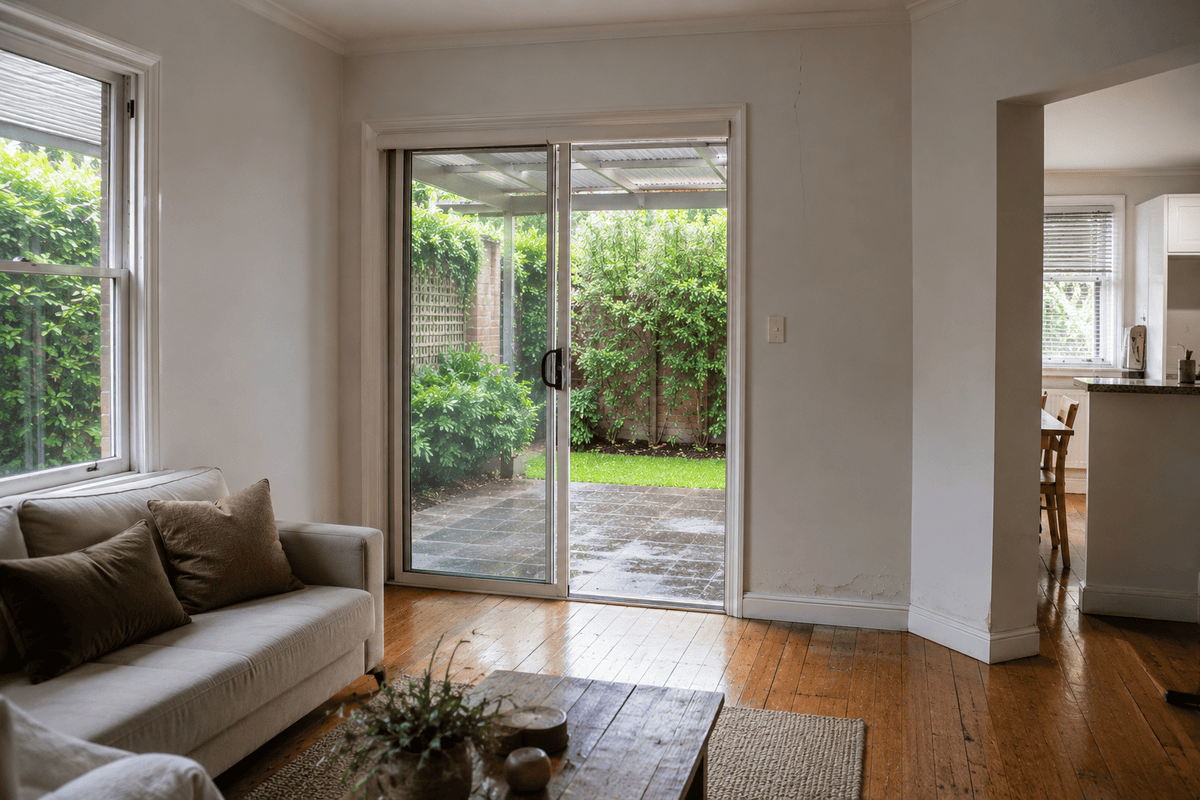
Buying your first home is exciting right up until you realise every second person involved in the process uses phrases like “minor issue”, “easy cosmetic fix”, or “nothing to worry about”. Humanity really built an entire industry around saying “she’ll be right” while standing next to a leaking balcony.
The tricky part for first-home buyers is that some of the most expensive property problems do not look dramatic during an inspection or open home. A hairline crack, a musty smell, a freshly painted patch, or a sticking window can seem harmless on the surface. Sometimes they are harmless. Sometimes they are quietly pointing at much bigger repair costs later.
This article focuses on the small warning signs buyers often underestimate, especially during a normal purchase timeline when there is pressure to make quick decisions without overthinking every detail.
At a Glance
- Small defects can sometimes point to larger hidden problems
- Cosmetic presentation can hide moisture, movement, or poor workmanship
- Fresh renovations deserve extra scrutiny, not less
- Minor drainage or ventilation issues can become expensive over time
- First-home buyers often underestimate repair coordination and future maintenance costs
- Independent inspections help separate manageable issues from genuine risks
If a property feels “almost perfect”, that is usually the exact moment to slow down and look more carefully.
Why Small Red Flags Matter More Than Buyers Expect
Many first-home buyers assume expensive problems always look obvious. Collapsing roofs. Giant wall cracks. Floors shaped like skate ramps.
In reality, costly issues often start small.
According to the Consumer Affairs Victoria due diligence checklist, buyers should carefully investigate structural issues, drainage concerns, renovations, permits, and signs of defects before committing to a purchase.
The problem is not always the visible issue itself. It is what might be sitting underneath it.
A small water stain could mean:
- a minor old leak
- ongoing roof issues
- failed waterproofing
- hidden mould
- poor ventilation
- plumbing problems
Without proper investigation, buyers are left guessing. Guessing is surprisingly popular in property purchases. Financially catastrophic, but popular.
Red Flags That Often Look Smaller Than They Are
Fresh Paint in Very Specific Areas
Fresh paint throughout a house is normal.
Fresh paint on one small ceiling patch directly under a bathroom? That deserves more attention.
Sometimes sellers genuinely repair small cosmetic damage before listing. Other times, paint is used to hide moisture stains, cracking, or repeated repairs.
This does not automatically mean the property is bad. It simply means buyers should ask:
- Why was this repaired?
- Was the underlying issue fixed?
- Are there supporting documents or invoices?
A pre-purchase building inspection can help identify whether the issue appears cosmetic or whether further investigation may be worthwhile.
Doors or Windows That Stick
Buyers often dismiss sticking doors and windows as “old house quirks”.
Sometimes that is true.
Other times, movement in the structure, moisture expansion, poor renovations, or uneven settlement may be contributing factors.
One sticking door alone usually does not mean disaster. Multiple sticking doors combined with cracks or uneven flooring can tell a different story.
The key is pattern recognition, not panic.
Uneven Floors That Feel “Not Too Bad”
Slight floor movement is common in older homes, especially in parts of Melbourne with reactive soil conditions.
But buyers should pay attention when:
- floors noticeably slope
- movement appears concentrated in one area
- furniture placement seems oddly adjusted
- renovations appear to compensate for unevenness
Many first-home buyers mentally downgrade these issues because they seem liveable during a short inspection.
The problem comes later when:
- flooring replacements are needed
- cabinetry no longer aligns properly
- further movement occurs
- repair costs become much larger than expected
Strong Air Fresheners or Overpowering Scents
This one sounds ridiculous until you notice it repeatedly.
If a property smells aggressively scented during inspections, buyers should still pay attention to:
- damp smells underneath fragrances
- mould indicators
- ventilation quality
- bathroom moisture
- pet-related damage
A nice-smelling home is not suspicious by itself. A home that smells like someone emptied an entire candle warehouse into two rooms deserves a second look.
Newly Renovated Bathrooms Without Clear Documentation
Fresh renovations often impress first-home buyers because everything feels clean, modern, and “already done”.
But poorly executed bathroom renovations can become expensive very quickly.
Buyers should be cautious when:
- workmanship looks rushed
- grout lines are uneven
- silicone work looks inconsistent
- drainage feels poor
- waterproofing documentation is unclear
In Victoria, renovation documentation and compliance paperwork can matter significantly depending on the work completed. Buyers may also want legal or conveyancing advice where permits or approvals appear uncertain.
This is especially important in flipped properties where cosmetic presentation may have been prioritised over long-term durability.
External Drainage Problems
Minor drainage issues rarely look dramatic during an inspection.
Small warning signs can include:
- pooling water
- soft soil near walls
- overflowing gutters
- downpipes discharging poorly
- garden beds against weep holes
Over time, drainage issues can contribute to:
- moisture intrusion
- timber decay
- movement
- mould
- pest attraction
Many buyers underestimate how expensive water management can become after settlement.
Hairline Cracks Buyers Ignore Too Quickly
Not every crack means structural failure. Houses move. Materials expand and contract.
But buyers should pay closer attention when cracks:
- reappear after patching
- appear around doors and windows
- run diagonally
- vary significantly in width
- appear alongside movement indicators
The important thing is context.
A single tiny crack in isolation is very different from multiple symptoms appearing together.
Quick Comparison Table: Small Sign vs Possible Bigger Issue
| Small-Looking Sign | Possible Underlying Concern |
| Fresh paint patch | Moisture damage or recurring leaks |
| Sticking doors | Structural movement or moisture |
| Uneven flooring | Settlement or subfloor issues |
| Strong fragrances | Damp, mould, or ventilation problems |
| Poor bathroom finishes | Waterproofing or renovation shortcuts |
| Pooling water outside | Drainage or moisture risks |
| Small recurring cracks | Ongoing movement |
This does not mean every property with one of these signs should be avoided.
It means buyers should investigate before emotionally committing to the property. Difficult concept, considering half the country decides emotionally based on kitchen splashbacks.
Why First-Home Buyers Miss These Signs
First-home buyers are often dealing with:
- budget pressure
- emotional attachment
- fear of missing out
- auction competition
- limited experience
That combination can make smaller warning signs feel easier to dismiss.
Buyers sometimes tell themselves:
- “Every house has issues”
- “We can fix that later”
- “It’s probably normal”
- “The house still looks good overall”
Sometimes they are right.
But the goal is not to find a perfect property. It is to understand the difference between:
- manageable maintenance
- future budgeting items
- serious hidden risks
That distinction matters far more than whether the kitchen tap matches the cabinet handles.
What Buyers Should Do Before Committing
Before signing contracts or moving forward confidently, buyers should:
- slow down emotional decision-making
- ask questions about repairs or renovations
- review available documentation carefully
- pay attention to repeated patterns, not isolated cosmetic issues
- organise independent professional advice where needed
Using an independent inspection process can help buyers gain clearer information before making a major financial commitment.
On the NextGen Inspections, buyers can learn more about common property-risk scenarios and inspection support options available across Melbourne and Victoria.
A Practical Example
Imagine two properties at similar prices.
Property A has:
- dated interiors
- visible ageing
- older carpets
- well-documented maintenance
Property B has:
- fresh paint
- trendy styling
- rushed-looking renovations
- unclear bathroom documentation
- slight moisture smell hidden by fragrances
Many first-home buyers instinctively lean toward Property B because it feels newer and more “move-in ready”.
But in some cases, Property A may actually carry less financial uncertainty long term.
Presentation matters. Underlying condition matters more.
Final Thoughts
Small warning signs are not always deal-breakers. The goal is not to become paranoid about every crack, stain, or sticking window.
The real goal is understanding which issues deserve closer attention before you commit to a purchase that may shape your finances for years.
For first-home buyers especially, independent clarity can make a major difference between buying confidently and inheriting someone else’s expensive shortcuts.
If you are unsure about a property and want a clearer understanding of potential risks before moving forward, organising a professional inspection through NextGen Inspections can help you make a more informed decision. Because discovering hidden defects after settlement is a terrible time to develop “property character-building skills.”