
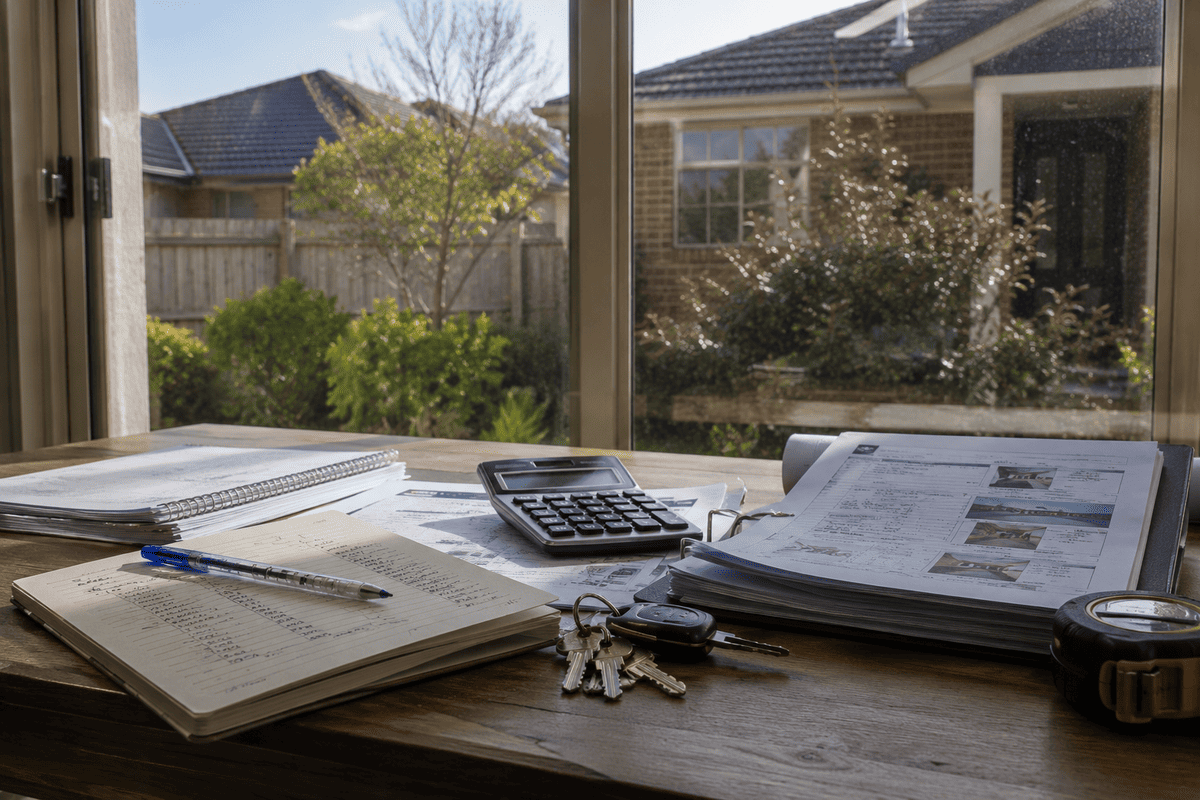
Buying your first home already feels expensive enough without someone telling you to spend less than the bank says you can afford. Yet this is exactly where many first-home buyers get caught out.
A property can look clean, freshly painted, and “move-in ready” during inspections. Then three months later, there’s a leaking shower, damaged guttering, faulty drainage, or a hot water system that decides retirement sounds nice. Houses have incredible timing. Like toddlers and printers, they break at the worst possible moment.
This is why budgeting right to your absolute limit can create serious pressure after settlement, even when the property initially seems fine.
This article focuses on the repair-buffer side of buying, not borrowing capacity or finance strategy. Because one of the biggest mistakes first-home buyers make is assuming the purchase price is the finish line when it’s really just the beginning.
At a Glance
- Buying at your limit leaves little room for repairs or maintenance
- Even well-presented homes can hide costly issues
- Minor defects often become bigger expenses over time
- A pre-purchase inspection can help buyers understand likely future costs
- First-home buyers should budget for ownership, not just settlement
- Older homes and renovated properties can carry extra surprise costs
- Having a financial buffer can reduce stress after moving in
If you’re stretching to buy your first property, understanding the risks before committing can make the whole experience more manageable.
Why “Technically Affordable” Can Still Be Risky
Banks, brokers, calculators, and borrowing estimates all work out what you may be able to repay. But homes do not care about spreadsheets.
A property can be financially approved while still putting a buyer under real-world pressure after settlement.
The issue is not always catastrophic structural damage either. In many cases, it’s the accumulation of smaller expenses that causes stress:
- leaking taps
- cracked roof tiles
- ageing appliances
- drainage problems
- damaged sealants
- poor ventilation
- timber deterioration
- electrical updates
- water ingress around bathrooms or windows
None of these automatically make a property “bad”. But they can become expensive when you’ve already emptied your savings just getting the keys.
According to the Consumer Affairs Victoria due diligence checklist, buyers should carefully assess the condition of a property before purchase, including potential repair and maintenance issues that may affect affordability after settlement.
That’s the part many first-home buyers underestimate.
The Hidden Cost of “It Looks Fine”
Presentation can hide a lot.
Fresh paint, styled furniture, and cosmetic renovations often make buyers feel more confident emotionally. But cosmetic improvements do not always reflect the underlying condition of the property.
This is especially true in:
- older homes
- quick renovations
- flipped properties
- homes that have been rentals
- properties with DIY modifications
A bathroom may look modern while hiding waterproofing problems underneath. Floors may appear level until seasonal movement becomes noticeable. Newly painted ceilings can temporarily disguise previous moisture issues.
This does not mean sellers are necessarily being deceptive. Sometimes owners genuinely do not realise there is a bigger issue developing.
Still, first-home buyers who stretch to their financial ceiling may not have enough flexibility if unexpected repairs appear after settlement.
A Small Repair Buffer Can Make a Big Difference
One of the smartest things buyers can do is leave room in the budget for the first 12 to 24 months of ownership.
That does not mean assuming disaster. It means accepting reality.
Even well-maintained homes need ongoing work.
Here’s a simple example:
| Scenario | Buyer A | Buyer B |
| Purchase approach | Buys at absolute limit | Leaves repair buffer |
| Savings after settlement | $2,000 | $20,000 |
| Unexpected drainage repair | Stressful | Manageable |
| Ability to prioritise repairs | Limited | Flexible |
| Financial pressure | High | Lower |
Human beings love optimistic budgeting. Then the property introduces itself properly after winter rain. A timeless Australian tradition.
Why Inspections Matter Even When the Home Looks Good
A professional inspection is not just about finding “deal-breakers”.
Often, the real value comes from understanding:
- likely maintenance items
- signs of ageing
- areas that may need monitoring
- potential future repair priorities
- whether cosmetic work may be hiding bigger concerns
A pre-purchase building inspection can help buyers make calmer and more informed decisions before committing to a property at the top of their budget.
Importantly, inspections are not there to predict every future problem. No inspector can guarantee that. But a good inspection can provide context around visible risks, maintenance concerns, and the general condition of the property.
That information becomes much more valuable when your finances are already stretched.
First-Home Buyers Often Underestimate Early Ownership Costs
Many first-home buyers budget carefully for:
- deposit
- stamp duty
- conveyancing
- moving costs
- furniture
But ongoing property ownership costs are often underestimated.
These can include:
- urgent repairs
- insurance excesses
- gutter cleaning
- tree maintenance
- appliance replacement
- plumbing call-outs
- pest management
- electrical upgrades
- roof maintenance
Even relatively minor repairs can feel overwhelming when there’s no remaining buffer.
This is one reason buyers sometimes regret stretching too far for a property that appeared “perfect” at inspection time.
Older Homes Need a Different Mindset
Older properties can offer fantastic character, location, and long-term value. But buyers need realistic expectations.
A 1960s or 1970s property may still have:
- ageing plumbing
- older wiring
- movement-related cracking
- outdated drainage
- moisture concerns
- roof ageing
- subfloor ventilation issues
None of this automatically means “don’t buy it”.
It simply means buyers should understand what they are taking on and leave enough room financially to deal with ownership responsibly.
That’s where independent information becomes important.
Using a trusted inspection service through NextGen Inspections can help buyers better understand the practical condition of a property before moving forward.
A Useful Question to Ask Yourself
Instead of asking:
“Can I afford to buy this property?”
Try asking:
“Can I still comfortably manage life if this property needs work in the first year?”
That second question is usually much more useful.
Because home ownership is rarely static. Properties age continuously. Maintenance never fully stops. And first-home buyers who leave themselves breathing room often handle ownership with far less stress.
What Buyers Should Do Before Committing
If you are approaching the upper end of your budget, consider:
- organising an independent inspection early
- asking realistic questions about maintenance
- reviewing visible defects carefully
- budgeting for unexpected repairs
- avoiding assumptions based purely on presentation
- understanding which issues are urgent versus manageable over time
A property does not need to be flawless to be worth buying. Most are not.
The goal is simply to avoid stepping into ownership with zero flexibility.
Final Thoughts
Buying your first home is exciting, but it should also leave room for reality.
Stretching every dollar into the purchase price may help secure the property, but it can create pressure later if repairs, maintenance, or hidden issues appear after settlement.
A clearer understanding of the property’s condition can help buyers make more balanced decisions before committing. If you are unsure about a property’s condition or potential repair risks, organising an inspection before signing can provide valuable perspective.
If you want clearer information before moving forward, you can book an inspection or speak with NextGen Inspections about the property and timeline involved. Sometimes the most valuable part of an inspection is not finding disaster. It is understanding what you’re realistically walking into. Humanity keeps learning this lesson one leaking shower at a time.