
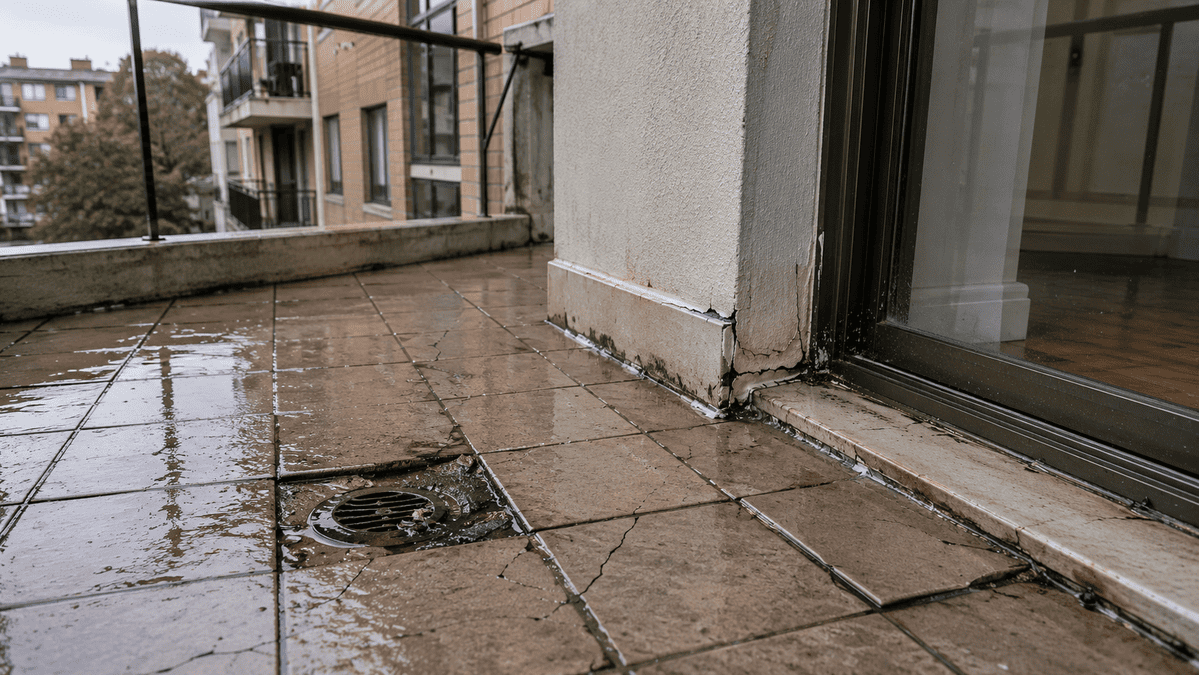
Buying an older apartment can be an excellent way to enter the property market or secure a home in a well-established location. Many older apartment buildings offer generous floor plans, solid construction, and desirable neighbourhoods that newer developments cannot always match.
However, one area deserves particular attention before you sign a contract: balconies and waterproofing.
While a freshly painted balcony or renovated bathroom may look impressive during an inspection, hidden waterproofing issues can lead to expensive repairs, ongoing maintenance, and even safety concerns. If you’re considering purchasing an older apartment in Victoria, understanding these risks can help you make a more informed decision.
This guide focuses specifically on balcony and waterproofing risks in older apartments. It is not a complete guide to apartment inspections or owners corporation due diligence, but rather a practical overview of one important aspect buyers should understand before committing.
At a Glance
If you’re short on time, here’s what you should know:
- Older apartments are more likely to have ageing waterproofing systems.
- Balcony drainage problems can allow water to enter surrounding structures.
- Cracked tiles may indicate movement, but they do not always reveal the underlying cause.
- Water damage can remain hidden beneath finishes for years.
- Professional inspections can identify visible warning signs before purchase.
- Additional specialist assessment may sometimes be recommended.
Want to understand what to look for before making an offer? Let’s explore the key risks.
Why Balcony Waterproofing Matters
Balconies are constantly exposed to Australia’s changing weather conditions.
Rain, sunlight, temperature changes, and normal building movement gradually place stress on waterproof membranes, sealants, grout, and drainage systems.
According to the National Construction Code, effective waterproofing plays an essential role in protecting building elements from moisture damage and maintaining the durability of residential buildings. Proper waterproofing helps prevent deterioration that may otherwise affect surrounding structural components.
For apartment owners, waterproofing problems rarely stay isolated. Water may travel behind walls, beneath flooring, or into neighbouring apartments before the source becomes obvious.
Common Balcony Risks in Older Apartments
Ageing Waterproof Membranes
Most waterproof membranes have a limited service life.
Depending on the age of the building, original membranes may have deteriorated significantly, especially if they have experienced years of weather exposure.
Although deterioration is not always visible, signs may include:
- loose or hollow-sounding tiles
- deteriorating grout
- failed sealant joints
- moisture staining
- recurring leaks after heavy rain
Visible symptoms do not always reveal the full extent of the issue, which is why professional assessment can be valuable.
Poor Drainage
Balconies should direct water efficiently towards drainage points.
Problems can occur when:
- drains become blocked
- balcony surfaces no longer fall correctly
- previous renovations alter drainage paths
- debris restricts water flow
Standing water may gradually find pathways beneath tiles or through small cracks, increasing the likelihood of moisture intrusion over time.
Cracked Tiles
Cracked balcony tiles are common in older apartment buildings.
While isolated cracked tiles may simply result from wear and tear, widespread cracking can sometimes indicate:
- movement within the balcony structure
- substrate problems
- water-related deterioration
- previous repair issues
The tiles themselves are not always the primary concern. Instead, they may signal conditions beneath the surface that deserve closer investigation.
Failed Sealants
Flexible sealants around balcony doors, walls, and expansion joints naturally deteriorate with age.
When sealants fail, water may enter gaps that were originally designed to remain watertight.
These failures often develop gradually, making them easy to overlook during routine property inspections.
Waterproofing Risks Beyond the Balcony
Water rarely stays exactly where it enters.
Moisture may affect:
- internal walls
- ceilings below
- timber framing
- floor coverings
- adjoining apartments
- shared building elements
Sometimes the visible damage appears several metres away from the original leak.
This is one reason why identifying moisture-related issues can require careful interpretation rather than relying on obvious visual clues alone.
Cosmetic Renovations Can Hide Problems
Many buyers appreciate renovated apartments.
New paint, modern tiles, stylish bathrooms, and updated balconies can certainly improve appearance.
However, cosmetic improvements do not always confirm that underlying waterproofing has been properly addressed.
For example:
Example 1
A balcony receives new tiles, but the original waterproof membrane underneath remains unchanged.
The balcony looks brand new, but moisture problems continue developing beneath the surface.
Example 2
Water stains inside the apartment are repainted shortly before sale.
The staining disappears temporarily, although the source of moisture has not yet been resolved.
Neither situation automatically means defects exist, but they demonstrate why buyers should avoid relying solely on presentation.
Simple Balcony Inspection Checklist
| Check | Why It Matters |
| Cracked or loose tiles | May indicate movement or water intrusion |
| Ponding water | Suggests drainage problems |
| Damaged grout | Can allow moisture to penetrate |
| Failed sealants | Common entry point for water |
| Rust stains | May indicate ongoing moisture exposure |
| Water staining near balcony doors | Possible evidence of leaks |
| Uneven balcony surface | May affect drainage performance |
This checklist cannot confirm hidden defects, but it provides a useful starting point during property inspections.
What About Victoria’s Apartment Buildings?
Victoria has experienced increased attention on apartment building quality over recent years, particularly regarding waterproofing and building defects.
Government guidance encourages buyers to conduct appropriate due diligence before purchasing residential property. Resources such as the Consumer Affairs Victoria guide for home buyers provide useful information about the buying process and the importance of obtaining independent professional advice where appropriate.
Every building is different.
Age alone does not determine condition, and many older apartment buildings remain in excellent shape thanks to ongoing maintenance and timely repairs.
When Should Buyers Seek Further Investigation?
A general inspection may identify visible indicators that warrant additional specialist assessment.
Examples include:
- widespread moisture staining
- significant cracking
- evidence of repeated repairs
- balcony movement
- suspected waterproofing failure
- areas that cannot be safely inspected
In these situations, obtaining further professional advice before proceeding may help reduce uncertainty.
How a Pre-Purchase Inspection Can Help
A professional pre-purchase building inspection is designed to identify visible building issues that may influence your purchasing decision.
Rather than focusing only on balconies, the inspection considers the property’s overall condition while identifying visible defects that deserve attention.
If inspectors observe signs suggesting more complex waterproofing concerns, they may recommend further investigation by an appropriately qualified specialist.
This approach helps buyers understand potential risks without making assumptions beyond what can reasonably be observed.
Frequently Asked Questions
Do all older apartment balconies have waterproofing problems?
No.
Many older apartments have been well maintained or have undergone successful waterproofing upgrades. Age increases the likelihood of wear, but it does not automatically indicate defects.
Can waterproofing issues always be seen?
Not necessarily.
Some problems remain hidden beneath finishes until moisture damage becomes more advanced.
Should cracked balcony tiles stop me buying the property?
Not automatically.
Cracked tiles should be viewed in context alongside other observations. Their significance depends on the overall condition and likely cause.
Does the owners corporation usually maintain balconies?
Maintenance responsibilities vary depending on the building’s rules and circumstances. Buyers should seek appropriate advice regarding ownership and maintenance obligations where required.
Final Thoughts
Older apartments often provide excellent value, attractive locations, and character that newer developments may lack. However, balconies and waterproofing deserve careful attention because problems can remain hidden long after cosmetic improvements have been completed.
Understanding the visible warning signs, recognising when further investigation may be appropriate, and obtaining independent advice where needed can help you make a more confident purchasing decision.
If you’re preparing to buy an apartment in Victoria and would like independent clarity before committing, the team at NextGen Inspections can help assess the property’s visible condition. If your purchase timeline is approaching, you can also book an inspection to gain practical information that supports a more informed decision before settlement.