
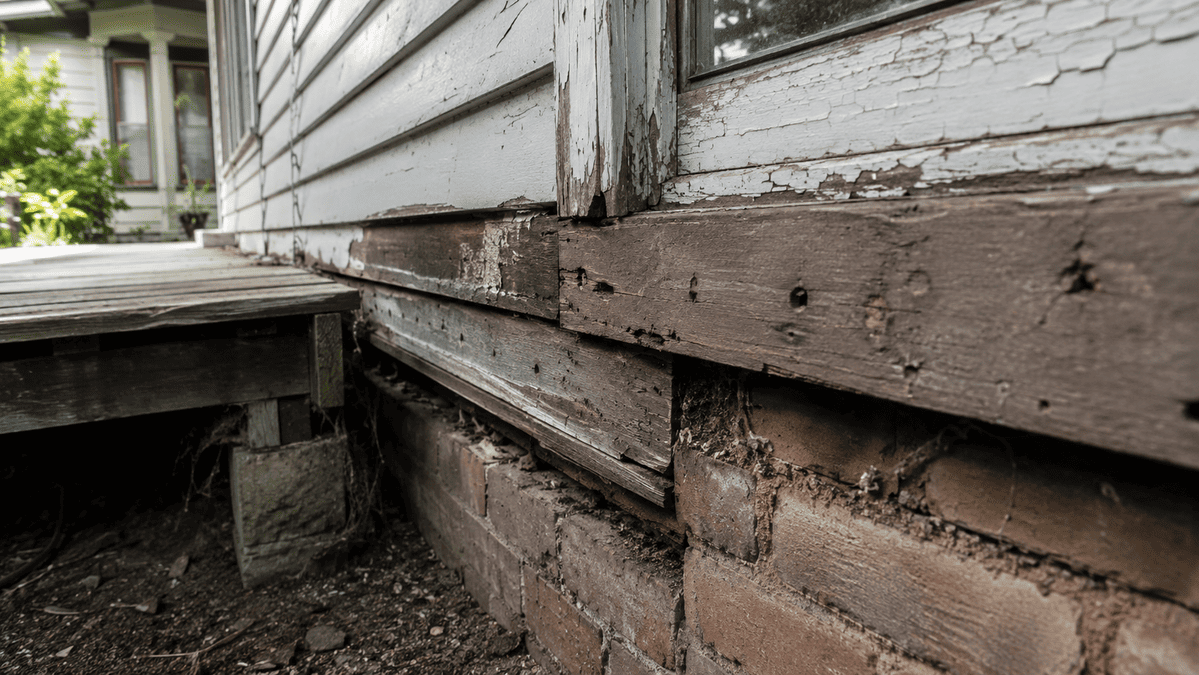
Buying an older home can be exciting, but it also comes with plenty of questions. One of the most common concerns buyers have is spotting something that looks like termite damage. A few holes in timber, a pile of sawdust, or cracked wood can quickly lead to panic, especially during inspections or open homes.
If you’ve been searching for termite false alarms, you’re probably wondering whether every suspicious sign points to an active termite problem. The reassuring news is that many timber defects have causes other than termites. However, some warning signs should never be ignored because they may indicate hidden timber pest activity that requires professional assessment.
This guide explains the difference between common false alarms and genuine warning signs, helping Australian property buyers make informed decisions without jumping to conclusions.
At a Glance
- Not every damaged piece of timber has been attacked by termites.
- Moisture, age, rot, and other insects can create similar symptoms.
- Certain signs deserve closer investigation before committing to a purchase.
- Older homes often have multiple timber issues that require careful interpretation.
- A professional inspection provides independent evidence rather than guesswork.
If you’re unsure whether a suspicious sign is harmless or significant, keep reading.
Why Termite False Alarms Are So Common
Many people associate any timber damage with termites, but buildings naturally age. Weather exposure, moisture, shrinking timber, fungal decay, and everyday wear can all create defects that resemble termite activity.
Older Victorian homes are particularly susceptible because they often contain original timber, previous renovations, and decades of environmental exposure.
The goal is not to diagnose termites yourself. Instead, it’s to recognise when something deserves a closer professional look before settlement.
Common Signs That Are Often False Alarms
The following issues may look concerning but are not automatically evidence of termite activity.
| Sign | Possible Non-Termite Cause |
| Small holes in timber | Old nail holes, wood borers, natural timber features |
| Sawdust-like material | Carpenter ants, drilling residue, sanding dust |
| Cracked timber | Seasonal movement, age, drying |
| Peeling paint | Moisture, poor preparation, ageing paint |
| Hollow sounds | Timber shrinkage, construction methods, previous repairs |
| Dark timber staining | Water damage, mould, ageing |
These signs should never be used on their own to conclude termites are present.
Signs That Deserve Closer Investigation
While many symptoms have harmless explanations, some combinations of signs warrant further assessment.
Mud Tubes
One of the strongest indicators associated with subterranean termites is the presence of mud shelter tubes running along walls, foundations, stumps, or brickwork.
Although old tubes may no longer be active, they suggest previous termite movement and deserve professional evaluation.
Soft or Hollow Timber
Timber that sounds hollow when gently tapped or feels unusually soft may indicate internal damage.
The cause could be termites, timber decay, or moisture-related deterioration. Determining which one requires specialised inspection equipment.
Tight Doors and Windows with Other Symptoms
Doors and windows naturally become difficult to open for many reasons, including seasonal movement.
However, when combined with cracking, moisture issues, or suspicious timber damage, structural movement should be investigated further.
Bubbling or Distorted Paint
Paint that appears blistered or uneven can result from trapped moisture.
Because termites also introduce moisture into timber, this symptom deserves closer attention when accompanied by other warning signs.
Practical Example
Imagine you’re inspecting a weatherboard home built in the 1970s.
You notice:
- peeling paint near a window
- a few small holes in the skirting board
- some timber cracking on the veranda
Individually, none of these necessarily indicate termites.
However, if you also discover mud tubes near the subfloor and unusually soft timber beneath the house, the situation changes significantly and should be professionally assessed before contracts become unconditional.
Why Moisture Often Causes Confusion
Moisture is one of the biggest reasons buyers mistake ordinary building issues for termite activity.
Leaks, poor drainage, blocked gutters, and inadequate ventilation can all damage timber over time.
Interestingly, moisture also creates favourable conditions for termites, meaning a moisture problem may not indicate termites today but could increase future risk.
According to the Commonwealth Scientific and Industrial Research Organisation (CSIRO), subterranean termites are strongly influenced by moisture availability and suitable environmental conditions.
Older Homes Need Context, Not Assumptions
Older homes rarely present perfect timber.
You might find:
- repaired floor joists
- replaced skirting boards
- patched framing
- historical water damage
- previous timber repairs
None automatically indicate an active termite problem.
Understanding the history of repairs and distinguishing between old damage and current risk is often more valuable than focusing on one isolated defect.
What Buyers Should Do If They Notice Suspicious Signs
Rather than assuming the worst, consider these practical steps:
✔ Photograph the area if possible.
✔ Ask whether previous repairs or termite treatments have been carried out.
✔ Review any available maintenance records.
✔ Discuss the concern with your conveyancer if documentation raises questions.
✔ Arrange an independent Timber Pest Inspection if uncertainty remains.
Where broader property concerns also exist, a Combined Building and Timber Pest Inspection can provide a more complete understanding of the property’s overall condition.
Why Professional Interpretation Matters
The purpose of an inspection is not simply to find defects.
It’s to interpret what those defects actually mean.
Many buyers worry unnecessarily about harmless timber imperfections, while others overlook subtle warning signs because they appear insignificant.
An experienced inspector considers the property’s age, construction method, environmental conditions, and visible evidence before forming conclusions.
This balanced approach reduces unnecessary stress while helping buyers make informed decisions.
Victoria Buyers Should Remember
Property purchases in Victoria often involve strict timelines, particularly during cooling-off periods or private sales.
If suspicious timber signs are identified, delaying clarification may reduce the time available for informed decision-making.
Government resources such as the Consumer Affairs Victoria guide to buying property recommend carrying out appropriate due diligence before committing to a purchase.
Professional inspections form one part of that broader due diligence process.
Frequently Asked Questions
Does every hole in timber mean termites?
No. Nail holes, wood borers, ageing timber, and previous repairs can all leave similar marks.
Can water damage look like termite damage?
Yes. Moisture-related deterioration often resembles termite damage, which is why proper assessment is important.
Should I inspect an older home even if I can’t see termite signs?
Many buyers choose to arrange inspections because termites often remain hidden inside walls, floors, or roof spaces.
Can previous termite damage still affect a property?
Previous damage may have already been repaired, but understanding the extent of historical issues helps buyers make informed decisions.
Is it safe to diagnose termite activity myself?
No. Visible symptoms alone rarely provide enough information to determine whether termites are present or whether damage is old, inactive, or caused by another issue.
Final Thoughts
Spotting unusual timber damage during a property inspection doesn’t automatically mean termites are present. Many defects have perfectly ordinary explanations, particularly in older homes that have experienced decades of weather, maintenance, and renovations.
The key is recognising which signs deserve further investigation rather than making assumptions based on appearance alone.
If you’re preparing to purchase a property and want greater confidence before committing, the team at NextGen Inspections can provide independent advice through professional inspections tailored to your situation. If you’re working within a tight purchasing timeline, you can also book an inspection to gain the clarity needed before making one of life’s biggest financial decisions.