
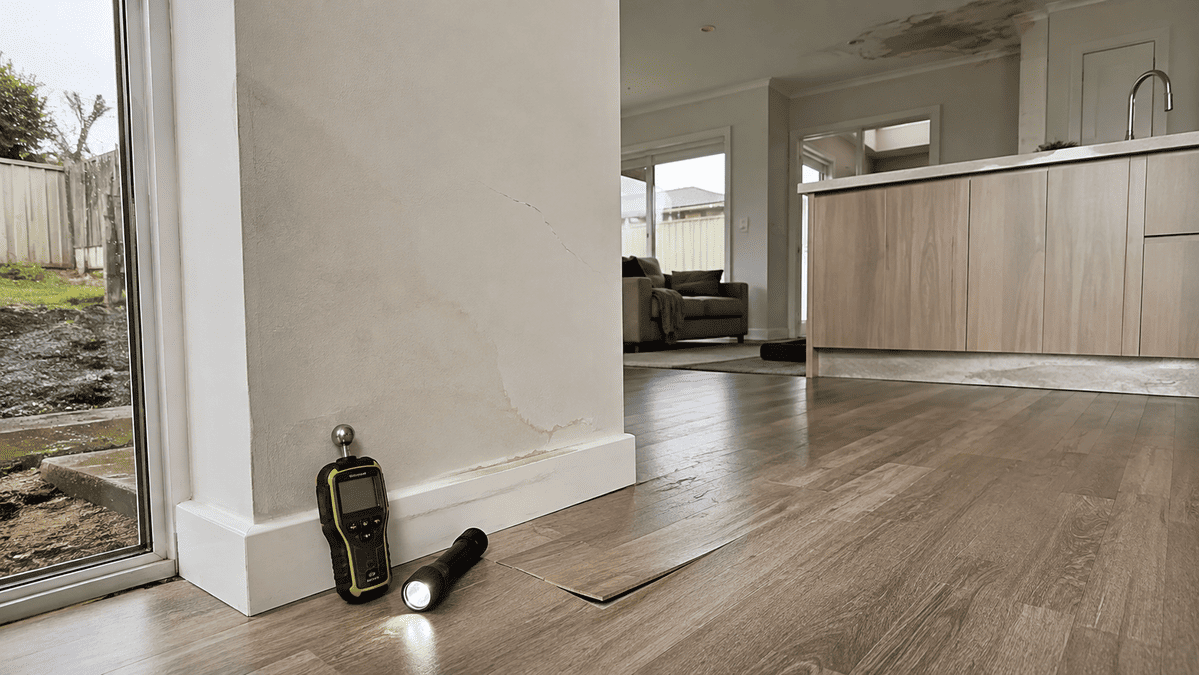
A freshly painted wall, stylish flooring, and a modern-looking kitchen can make a property feel move-in ready. For many buyers, these cosmetic improvements create a strong first impression that can influence purchasing decisions. But while presentation matters, appearance alone does not always reflect the true condition of a home.
If you’re buying a renovated property, it’s worth remembering that not every upgrade is completed to the same standard. Sometimes inexpensive cosmetic improvements are used simply to improve presentation rather than address the underlying issue. What looks like a well-maintained home today could become an expensive repair project after settlement.
This article explains why cosmetic fixes can sometimes hide future repair costs, what buyers should look out for, and how independent due diligence can help you make a more informed decision before committing.
At a Glance
- Cosmetic improvements do not always solve underlying building issues.
- Fresh paint, new flooring, or stylish finishes can sometimes conceal defects.
- Hidden problems may only become apparent months after settlement.
- A professional inspection helps distinguish cosmetic upgrades from genuine repairs.
- Budgeting for possible hidden costs can reduce financial surprises.
If a property looks exceptionally polished, it is worth asking whether the improvements are purely cosmetic or part of quality renovation work.
Why Cosmetic Improvements Can Be Misleading
There’s nothing wrong with cosmetic renovations. Many homeowners update their properties to improve comfort, appearance, or resale value.
The issue arises when cosmetic work is used to disguise problems instead of fixing them.
Examples include:
- Painting over water stains without repairing the leak.
- Installing floating flooring over uneven subfloors.
- Covering cracks rather than investigating their cause.
- Replacing damaged plaster without addressing moisture.
- Landscaping to distract from drainage problems.
In many cases, these improvements may not have been intended to mislead buyers. Sometimes owners simply complete affordable upgrades before selling without fully investigating the underlying cause.
The important point is that cosmetic presentation should never replace proper property due diligence.
Common Cosmetic Fixes That May Hide Bigger Problems
While every property is different, buyers should pay extra attention when they notice recent cosmetic upgrades in areas that commonly experience defects.
| Cosmetic Improvement | Potential Hidden Issue |
| Fresh interior paint | Moisture, mould, previous water damage |
| New laminate flooring | Uneven floors, subfloor movement, moisture |
| Decorative wall panels | Cracks or damaged plaster |
| New ceiling paint | Roof leaks or plumbing leaks |
| Stylish bathroom finishes | Waterproofing failures behind tiles |
| Fresh landscaping | Drainage issues or poor site grading |
These examples do not automatically indicate defects. They simply highlight situations where further investigation may be worthwhile.
The Real Cost Often Appears Later
One of the challenges with hidden defects is timing.
A freshly painted wall may look perfect during an inspection on a dry summer day, but moisture staining could return during winter after periods of heavy rainfall.
Similarly:
- doors may begin sticking as seasonal movement occurs
- concealed leaks may gradually reappear
- poor drainage may only become obvious during storms
- flooring problems may develop as moisture levels change
Because these issues often emerge over time, buyers may only discover them after they have already taken ownership of the property.
Renovated Doesn’t Always Mean Problem-Free
Many buyers naturally assume that a renovated home will require fewer repairs than an older property.
In reality, renovation quality varies significantly.
Some renovations involve:
- proper permits where required
- qualified trades
- structural repairs
- compliant waterproofing
- documented improvements
Others may focus primarily on improving visual appeal while leaving older building issues untouched.
This article focuses on the budgeting risks associated with cosmetic presentation rather than assessing renovation documentation or diagnosing structural defects in detail.
Practical Questions Buyers Should Ask
When viewing a renovated home, consider asking practical questions such as:
- When were the renovations completed?
- Were any structural repairs carried out?
- Are warranties or compliance certificates available where applicable?
- Have any previous water leaks been repaired?
- Has the property experienced movement or drainage issues?
Clear documentation often provides greater confidence than appearance alone.
Where renovations involve regulated building work in Victoria, buyers may also find useful guidance through the Consumer Affairs Victoria property buying information.
A Simple Buyer Checklist
Before becoming emotionally attached to a beautifully presented property, work through a simple checklist.
✔ Cosmetic Upgrade Review
- Does everything appear unusually new compared with the age of the home?
- Are there signs of recent patching or repainting?
- Do flooring levels feel consistent?
- Do doors and windows operate smoothly?
- Are there signs of moisture around skirting boards, ceilings, or bathrooms?
- Is there documentation supporting major renovation work?
- Have you allowed for unexpected repair costs in your budget?
This checklist cannot identify hidden defects, but it encourages buyers to think beyond appearance.
Why Independent Inspections Matter
Cosmetic presentation tells only part of the story.
An independent inspection focuses on identifying visible conditions that may warrant further investigation before purchase. Rather than relying solely on appearance, buyers gain a clearer understanding of the property’s overall condition.
If you’re considering a renovated property, arranging a professional Pre-Purchase Building Inspection can help provide valuable information before contracts become unconditional.
Every property is unique, and inspection findings should always be considered alongside legal advice, contract reviews, and any specialist assessments that may be recommended.
Budget for the Unknown
Even well-maintained homes require ongoing maintenance.
Rather than stretching your budget to the absolute maximum purchase price, consider leaving room for:
- unexpected repairs
- routine maintenance
- safety improvements
- minor upgrades after settlement
Having a financial buffer can reduce stress if previously hidden issues are discovered after moving in.
Buying a home is a long-term investment, and allowing for future maintenance is often just as important as negotiating the purchase price.
Presentation Should Support Confidence, Not Replace It
A beautifully presented home can certainly be well maintained. Many sellers invest in cosmetic improvements because they genuinely care for their property.
The key is not to become overly influenced by appearance alone.
Looking beyond fresh paint and stylish finishes helps buyers make decisions based on the property’s condition rather than its presentation.
Independent information, realistic budgeting, and careful due diligence remain some of the most valuable tools available to any home buyer.
If you’re uncertain about a property’s condition, the team at NextGen Inspections can help you gain independent clarity before you commit. If you’re working within a standard purchase timeline, you can also book an inspection early to give yourself more time to understand the property’s condition and make an informed decision with confidence.