
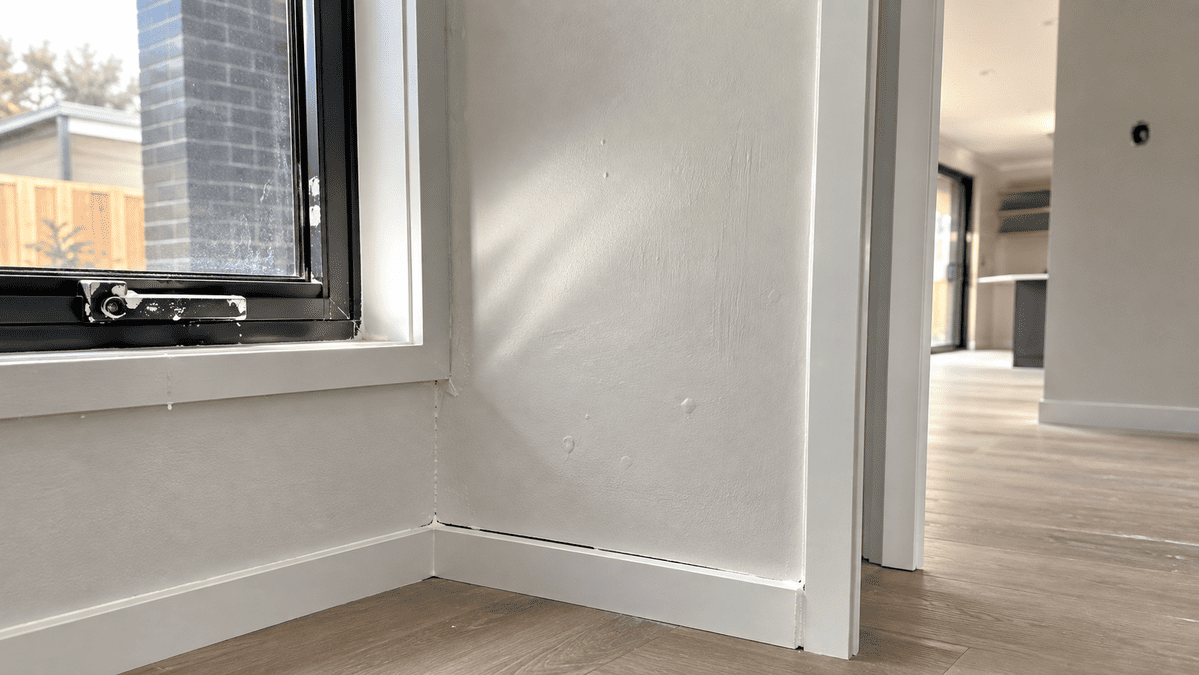
Moving into a brand-new home is an exciting milestone. Fresh paint, spotless flooring, and modern finishes all contribute to that “brand new” feeling. However, even newly built homes can have workmanship issues that aren’t immediately obvious during a quick walkthrough.
If you’re preparing for handover, it’s worth taking a closer look at the quality of the paintwork and finishes before accepting the property. While many imperfections are cosmetic, others may indicate rushed workmanship or underlying construction issues that deserve further attention.
This article focuses specifically on visible paint, finish, and workmanship defects that buyers should notice before handover. It is not a complete pre-handover inspection checklist, but rather a practical guide to one of the most commonly overlooked areas.
At a Glance
- Minor cosmetic defects can be common in new homes, but excessive or poor-quality finishes should be addressed before handover.
- Paint quality often reveals the standard of workmanship throughout the property.
- Small defects are usually easier to rectify before settlement than after moving in.
- Look carefully in natural daylight as many imperfections are difficult to spot under artificial lighting.
- A professional inspection provides an independent assessment before final acceptance.
Why Finish Quality Matters
Many buyers assume that because a home is new, everything will automatically meet a high standard. Unfortunately, construction schedules can be tight, with multiple trades working toward completion at the same time.
Final painting and cosmetic finishes are often completed near the end of construction, sometimes under significant time pressure. This can lead to defects that are easy to miss during an emotional handover inspection.
While cosmetic issues may not affect the structural integrity of the home, they can still require time-consuming repairs and inconvenience after you’ve moved in.
Common Paint Defects to Look For
Uneven Paint Coverage
Walls and ceilings should have consistent colour and sheen.
Watch for:
- Patchy paint
- Thin coverage
- Different shades on the same wall
- Visible roller marks
- Areas that appear dull or excessively glossy
These problems are often easiest to identify when sunlight shines across the surface.
Drips and Runs
Paint should have a smooth finish.
Check for:
- Paint runs
- Thick drips
- Hardened blobs
- Excess paint around trims
- Uneven brush marks
These defects suggest the paint was applied too heavily or without sufficient finishing.
Missed Areas
It’s surprisingly common to find small sections that have been overlooked.
Examples include:
- Behind doors
- Inside wardrobes
- Around window frames
- Corners near ceilings
- Behind pipes
- Around stair balustrades
Take your time inspecting every room rather than focusing only on the main living areas.
Examine Corners and Junctions
Good workmanship becomes obvious where different materials meet.
Pay close attention to:
- Ceiling-to-wall junctions
- Skirting boards
- Door architraves
- Window trims
- Cornices
- Internal corners
Look for:
- Uneven gaps
- Poor caulking
- Cracked filler
- Rough sanding marks
- Paint on adjacent surfaces
Neat finishing usually reflects greater attention to detail across the project.
Check Timber Trim and Doors
Doors and timber trims often receive frequent use immediately after handover.
Inspect:
- Door frames
- Skirting boards
- Window reveals
- Built-in cabinetry
- Stair handrails
Common issues include:
| Area | What to Look For |
| Doors | Chips, scratches, poor paint finish |
| Frames | Uneven joins or visible filler |
| Skirting | Gaps, dents or poor sealing |
| Cabinets | Scratches or inconsistent finish |
| Handrails | Rough surfaces or incomplete coating |
Look Beyond the Paint
Sometimes what appears to be a paint problem is actually caused by the surface underneath.
For example:
- Nail pops
- Poor plaster finishing
- Uneven wall joints
- Surface ripples
- Poor sanding
- Visible plaster patches
Fresh paint can highlight these imperfections rather than hide them.
Windows and Glass Deserve Attention Too
Although this article focuses on paint and finishes, it’s sensible to inspect nearby surfaces while you’re there.
Check for:
- Paint splashes on glass
- Silicone smears
- Scratched windows
- Damaged frames
- Poorly sealed trims
These are often easier to rectify before the builder hands over the property.
Don’t Forget External Finishes
The outside of the home deserves just as much attention.
Inspect:
- Garage doors
- External render
- Painted cladding
- Fascia boards
- Eaves
- Front door finish
Weather conditions during construction can sometimes affect external paint quality.
A Practical Walkthrough Example
Imagine you’re inspecting your newly completed home.
The living room looks perfect at first glance.
Then sunlight enters through the large windows.
Suddenly you notice:
- Roller marks across one wall
- Uneven paint sheen
- Small dents beneath the paint
- Gaps between skirting boards and walls
- Excess paint on window hardware
None of these issues may be major individually, but documenting them before handover makes it much easier to request rectification.
Simple Pre-Handover Finish Checklist
Before accepting the property, consider checking:
✔ Every wall in natural daylight
✔ Ceiling paint consistency
✔ Door operation and finish
✔ Window frames and trims
✔ Skirting boards
✔ Cornices
✔ Built-in cupboards
✔ External painted surfaces
✔ Garage finishes
✔ Visible scratches or chips
Taking photos during your inspection can also help if any items require follow-up.
When Should You Seek Professional Advice?
Some cosmetic defects are straightforward.
Others may point towards larger workmanship concerns.
If you notice multiple finish defects throughout the home, uneven walls, movement cracks, moisture staining, or workmanship that seems consistently poor, an independent inspection may provide valuable peace of mind before handover.
For Victorian buyers, the Victorian Building Authority provides guidance on construction standards and consumer information relating to residential building work, helping homeowners understand acceptable building practices and dispute processes.
If you’re approaching settlement, arranging an independent Pre-Handover Inspection can help identify issues before you formally accept the completed property.
You can also learn more about the inspection process on the NextGen Inspections homepage, where you’ll find information about services available across Melbourne and Victoria.
Frequently Asked Questions
Are small paint defects normal in a new home?
Minor cosmetic imperfections can occur during construction. However, widespread poor workmanship, inconsistent finishes, or obvious defects should generally be raised before handover.
Should I inspect the home during daylight?
Yes. Natural light often reveals paint defects, uneven finishes, dents, and surface imperfections that are difficult to see under indoor lighting.
Can cosmetic defects be repaired after settlement?
They often can, but arranging repairs before moving in is usually simpler and less disruptive.
Does every paint defect indicate a serious building problem?
No. Most are cosmetic only. However, if cosmetic defects are widespread or accompanied by cracking, moisture, or movement, further investigation may be worthwhile.
Final Thoughts
A beautifully finished new home should feel complete, not rushed. Spending an extra hour carefully checking paintwork, trims, and visible finishes before handover can save considerable inconvenience later.
If you’d like added confidence before accepting your new property, an independent inspection can help identify visible workmanship issues while there’s still an opportunity for them to be addressed. If your handover date is approaching, you can book an inspection with NextGen Inspections and gain an independent assessment before you receive the keys.