
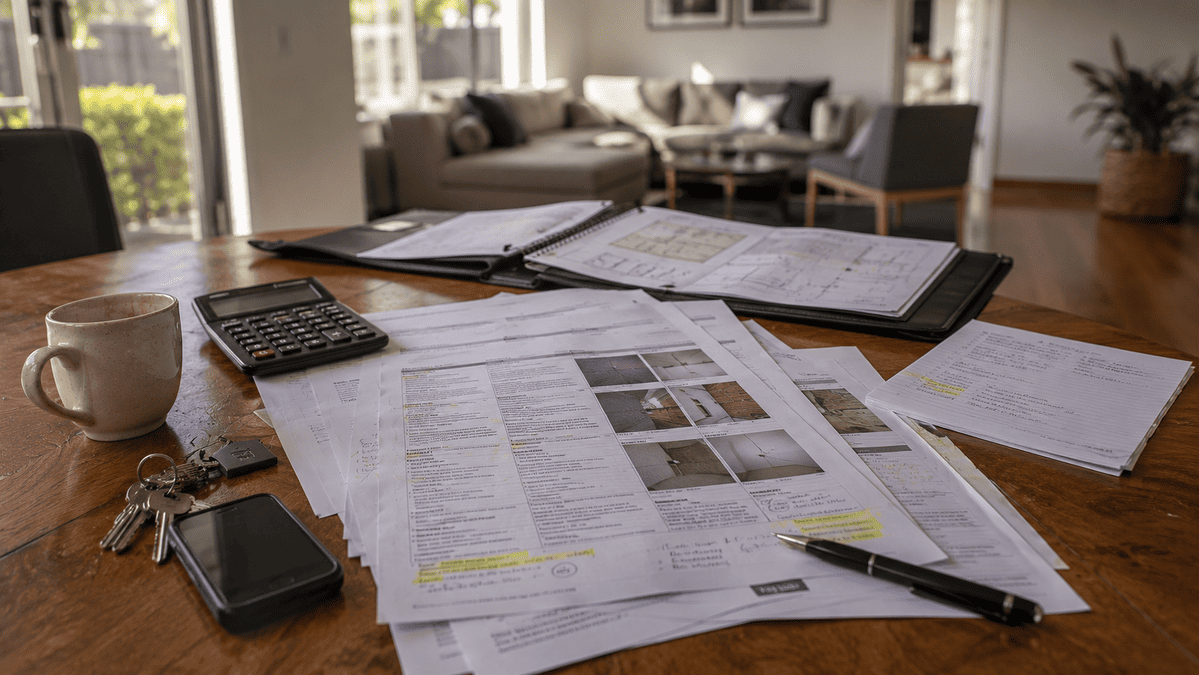
Buying your first home can feel like winning a marathon and signing a legal contract at the same time. One minute you’re excited about finally escaping rent increases and tiny apartment kitchens, and the next you’re trying to decode building reports, contracts, and suspiciously fresh paint.
The truth is, many first-home buyers do not lose money because they chose the “wrong” suburb or missed out on a lower interest rate. They lose money because they overlook practical risks that become expensive after settlement.
A property can look affordable upfront and still become a financial headache within months.
This article focuses on common buyer mistakes that quietly turn “good deals” into costly ones later, especially for first-home buyers navigating the process for the first time. Because unfortunately, real estate agents rarely open inspections by saying, “By the way, the bathroom might secretly be auditioning as an indoor swimming pool.”
At a Glance
- Cheap properties can become expensive when hidden issues appear after settlement
- Cosmetic renovations can sometimes hide poor workmanship
- Skipping due diligence under time pressure often leads to regret
- Missing paperwork can create future compliance or repair problems
- Small defects can become large repair bills if ignored
- Independent inspections help reduce uncertainty before committing
Want the full picture? Keep reading.
The Biggest Mistake: Focusing Only on the Purchase Price
Many first-home buyers become fixated on the listing price and monthly repayments.
That makes sense. Housing affordability in Victoria is a real challenge, and buyers are often stretching their budget already.
But the cheapest-looking property is not always the cheapest property to own.
A home with poor drainage, incomplete renovations, hidden moisture issues, or low-quality building work can create ongoing repair costs that quickly outweigh the “saving” you thought you made.
According to the Consumer Affairs Victoria due diligence checklist, buyers should investigate a property’s condition, permits, and defects carefully before committing.
That sounds obvious in theory. In practice, many first-home buyers are emotionally exhausted after weeks or months of inspections and simply want the process to end.
That is usually when expensive mistakes happen.
Mistake #1: Assuming a Renovated Home Means Fewer Problems
Fresh paint and stylish tapware have an almost supernatural ability to distract buyers from actual risk.
A renovated property can absolutely be a good purchase. But cosmetic improvements do not automatically mean quality workmanship.
Some buyers assume:
- new tiles = no waterproofing problems
- modern kitchen = quality renovation
- fresh flooring = structurally sound home
- newly painted walls = no moisture issues
Unfortunately, reality is less polite.
Sometimes renovations are done properly. Sometimes they are done quickly to improve sale presentation.
That is why buyers should still approach renovated homes carefully, especially if documentation or approvals seem unclear.
Questions worth asking include:
- Were permits required?
- Was waterproofing completed correctly?
- Are there compliance certificates?
- Was the work completed by licensed trades?
This does not mean every renovated home is risky. It means presentation should not replace due diligence.
Mistake #2: Rushing Because of Competition
Melbourne’s property market can create serious pressure for first-home buyers.
When multiple buyers are competing for the same property, people often feel forced to:
- skip inspections
- ignore warning signs
- rush decisions
- downplay defects
- accept incomplete information
That pressure can lead to expensive outcomes later.
For example, a buyer might notice uneven flooring during an inspection but convince themselves it is “probably normal” because they fear losing the property.
Months later, they discover larger subfloor or movement-related issues requiring major repair work.
Speed matters in competitive markets, but blind urgency is dangerous.
If timing is tight, buyers can still organise professional support and independent advice before committing. The goal is not perfection. It is reducing avoidable surprises.
Mistake #3: Ignoring Small Problems Because They “Look Easy to Fix”
Many expensive property problems start as small-looking issues.
A sticking door may not seem serious. Neither does a hairline crack or minor moisture smell.
But small signs can sometimes point toward larger underlying problems.
That does not mean buyers should panic every time they see a crack in plaster. Homes naturally move and age over time.
The problem is assuming every issue is cosmetic without proper investigation.
Here’s a simple comparison:
| Looks Minor | Could Potentially Indicate |
| Bubbling paint | Moisture or leak issues |
| Musty smell | Poor ventilation or damp |
| Sticking windows | Movement or settlement |
| Uneven floors | Subfloor issues |
| New silicone everywhere | Attempts to hide water damage |
| Fresh patch painting | Cover-up repairs |
This is where experienced inspection advice becomes valuable. Not because every issue is catastrophic, but because context matters.
Mistake #4: Forgetting About Future Repair Costs
First-home buyers often budget carefully for:
- deposit
- stamp duty
- conveyancing
- moving costs
- furniture
Then settlement happens and reality arrives carrying invoices.
A property may need:
- roof repairs
- drainage work
- electrical updates
- waterproofing repairs
- replacement hot water systems
- ongoing maintenance
Even relatively manageable repairs can feel overwhelming after purchase if buyers leave no financial buffer.
One practical mistake is buying right at the financial limit without considering likely maintenance costs during the first few years of ownership.
This does not mean buyers need massive spare cash reserves. It simply means older properties especially may require ongoing upkeep.
Affordable purchase price does not always equal affordable ownership.
Mistake #5: Skipping Independent Inspections on New Homes
Some first-home buyers assume brand-new homes are automatically defect-free.
Sadly, buildings do not emerge from construction sites blessed by magical quality-control spirits. Humans built them. Humans make mistakes.
Even newer homes can have:
- drainage issues
- waterproofing defects
- incomplete finishes
- cracking concerns
- workmanship problems
- non-compliant installations
Buyers purchasing new builds or house-and-land packages often benefit from independent assessment before final handover.
A professional pre-purchase building inspection can help identify issues that may be easier to address before settlement or builder sign-off.
That does not mean every new home has major defects. It means independent clarity matters, especially when this is likely the biggest financial decision of your life.
Mistake #6: Not Reading Documents Properly
Some buyers spend more time comparing coffee machines online than reviewing property documents.
Humanity remains committed to strange priorities.
Important paperwork can include:
- permits
- warranties
- renovation approvals
- compliance certificates
- Section 32 information
- owner-builder documentation
Missing or unclear paperwork does not automatically mean disaster, but it can increase uncertainty and future risk.
If something feels unclear, buyers should seek clarification from relevant professionals rather than assuming “it’s probably fine.”
A Simple First-Home Buyer Reality Check
Before committing to a property, ask yourself:
Quick Buyer Checklist
- Am I focusing only on the purchase price?
- Have I noticed any signs I am mentally dismissing?
- Do I understand what repairs may be needed soon?
- Has renovation work been properly documented?
- Am I rushing because of emotional pressure?
- Have I allowed any financial buffer after settlement?
- Have I organised independent inspection support where appropriate?
If several answers feel uncertain, slowing down slightly now may save significant stress later.
Practical Example
Imagine two first-home buyers.
Buyer A
Buys the cheaper property immediately because it “looks modern.”
Six months later:
- waterproofing repairs
- drainage problems
- electrical updates
- unexpected maintenance costs
The cheaper property becomes far more expensive than expected.
Buyer B
Spends slightly more upfront after proper due diligence and independent inspections.
The property is not perfect, but the buyer understands the likely maintenance needs before settlement.
Buyer B may still face repairs eventually, but fewer nasty surprises appear immediately after moving in.
The difference is not luck. It is preparation.
When Professional Advice Matters
Not every concern requires panic or specialist escalation.
But buyers should consider independent support when:
- renovations appear recent
- paperwork is incomplete
- visible defects raise concerns
- access is limited before auction
- the property has unusual alterations
- the buyer feels uncertain about hidden risks
Working with experienced professionals can help buyers separate manageable maintenance from more serious concerns.
The goal is not finding a “perfect” property. Those barely exist outside unrealistic renovation TV shows where entire kitchens magically appear overnight between ad breaks.
The real goal is understanding what you are buying before committing.
You can also explore the NextGen Inspections homepage for practical information about inspection support and buyer situations across Melbourne.
FAQs
Do first-home buyers really need inspections?
Many buyers find inspections helpful because they provide independent information about the property’s condition before settlement. The level of risk varies depending on the property type, age, and situation.
Are renovated homes safer to buy?
Not necessarily. Some renovations are completed to a high standard, while others may prioritise appearance over workmanship quality. Documentation and independent assessment can help reduce uncertainty.
Should I avoid older homes completely?
No. Many older homes are well-built and maintained. The important factor is understanding the property’s condition, likely maintenance needs, and any major risks before purchase.
What if I’m buying under auction pressure?
Time pressure increases the risk of overlooking issues. Buyers should still try to organise independent advice and due diligence wherever possible before committing.
Final Thoughts
A property does not become expensive only because of its purchase price.
It becomes expensive when buyers inherit avoidable surprises they never properly investigated.
First-home buyers do not need to become building experts overnight. But they do need to slow down enough to ask practical questions, investigate concerns properly, and avoid assuming presentation equals quality.
If you want more independent clarity before committing to a property, book an inspection or speak with NextGen Inspections about your situation. Sometimes a calm second opinion is far cheaper than discovering major problems after settlement. Humanity keeps learning that lesson the expensive way.