
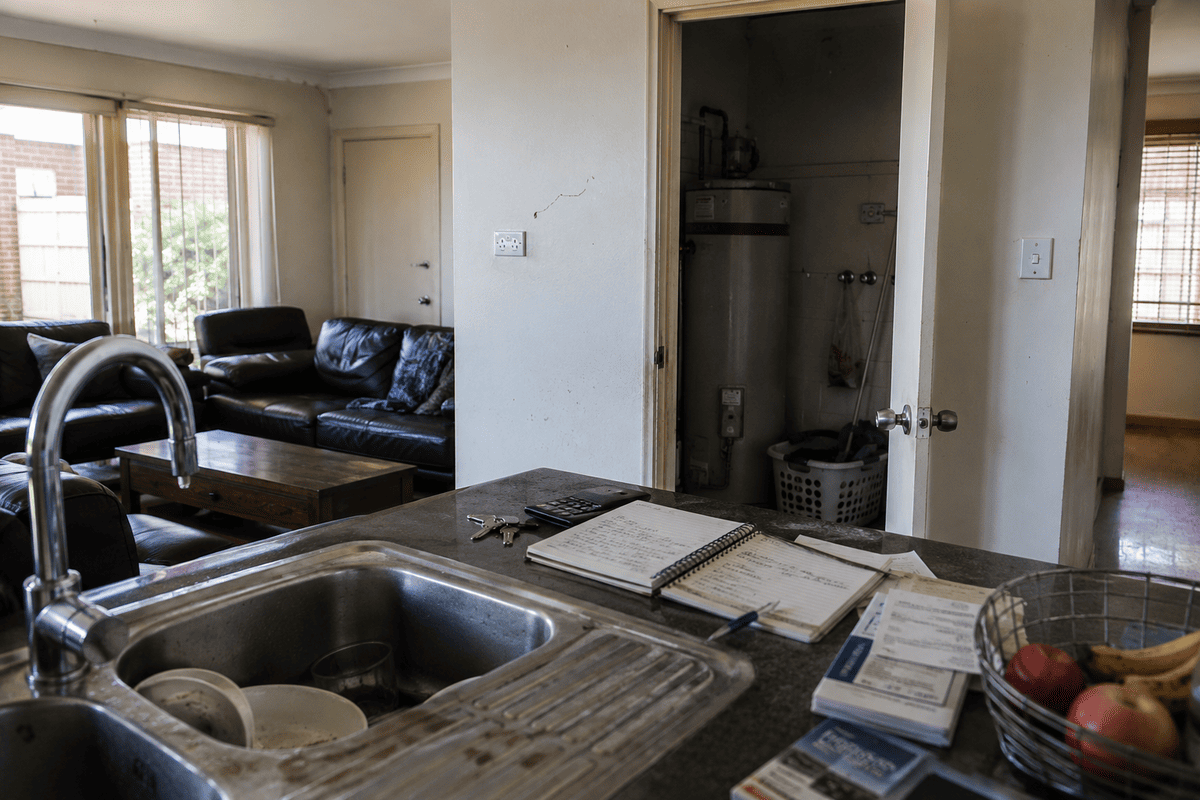
Buying your first home feels exciting right up until the moment the house starts behaving like a tired appliance held together by optimism and silicone sealant. One leaking tap becomes three. The “small crack” suddenly has emotional depth. The hot water system decides it has served humanity long enough.
A lot of first-home buyers focus so heavily on the deposit, stamp duty, moving costs, and loan approval that they forget one simple reality: owning a property means inheriting its maintenance history too.
This article focuses on the repair and maintenance costs buyers commonly overlook after purchase, not the cost of the inspection itself or detailed trade pricing. The goal is simple: help first-home buyers budget more realistically before committing to a property.
At a Glance
- Many first-home buyers underestimate post-purchase repair costs
- Small defects can turn into expensive problems if ignored
- Cosmetic renovations sometimes hide maintenance issues underneath
- Older homes often come with ongoing upkeep costs, not just one-off repairs
- New homes can still have defects that require attention before or after handover
- A professional inspection can help identify issues before you commit financially
Want the practical version instead of the “she’ll be right” version? Keep reading.
The Biggest Budgeting Mistake First-Home Buyers Make
Many buyers assume that if a property looks clean, modern, or recently renovated, major expenses are unlikely in the short term.
Unfortunately, presentation and condition are not always the same thing.
According to the Consumer Affairs Victoria due diligence checklist, buyers should carefully investigate a property’s condition and any potential defects before purchase. That matters because repair costs rarely arrive one at a time. Houses tend to form little support groups where multiple problems appear together.
You fix drainage, then discover moisture damage.
You repaint a wall, then realise the crack came back because movement never stopped.
Human civilisation truly peaked when we invented “temporary patch jobs”.
Common Repair Costs Buyers Often Forget About
Roof Repairs and Gutter Problems
Roof issues are one of the most underestimated costs in older homes.
Buyers often notice obvious things like broken tiles but miss:
- blocked gutters
- rusted flashing
- poor drainage
- sagging sections
- water entry around penetrations
These problems may not look dramatic during an inspection day, especially in dry weather.
Even relatively minor roof-related maintenance can become expensive if moisture starts affecting ceilings, insulation, or timber framing.
A buyer might budget for furniture and painting while forgetting the roof quietly has its own financial ambitions.
Drainage and Moisture Issues
Poor drainage can create ongoing maintenance headaches long after settlement.
Common examples include:
- water pooling near the house
- damp subfloors
- rising moisture
- mould smells
- poor yard grading
- overflowing stormwater during heavy rain
These problems are particularly important in Melbourne and broader Victoria because seasonal weather changes can make moisture issues worse over time.
A property can still look visually tidy while hiding drainage concerns underneath.
Electrical Upgrades
Many first-home buyers underestimate the cost of older electrical systems.
Older homes may require:
- switchboard upgrades
- replacement safety switches
- rewiring work
- additional power points
- lighting updates
This does not automatically mean the property is unsafe, but older electrical setups can require upgrading over time to meet modern household usage.
Especially once you realise a single family home somehow contains:
- 14 chargers
- 3 televisions
- gaming consoles
- ducted heating
- air fryers powerful enough to launch satellites
Hot Water Systems and Plumbing Repairs
Hot water systems have an uncanny ability to fail shortly after settlement. Possibly out of spite.
Buyers often forget to budget for:
- ageing hot water units
- leaking pipes
- poor water pressure
- blocked drains
- old plumbing fixtures
- hidden leaks beneath cabinetry
Plumbing issues are not always catastrophic, but they can create unexpected expenses early in ownership.
This is especially frustrating for first-home buyers already adjusting to mortgage repayments and moving costs.
Cosmetic Renovations That Hide Bigger Problems
Fresh paint and stylish kitchens can distract buyers from underlying maintenance issues.
Sometimes renovated homes contain:
- patched cracks
- concealed water damage
- uneven flooring hidden under coverings
- poor waterproofing
- rushed workmanship
That does not mean every renovated property is problematic. It simply means buyers should avoid assuming cosmetic presentation equals structural quality.
This is one reason many buyers organise independent inspections before committing. The team at NextGen Inspections often sees situations where presentation looks excellent but underlying maintenance concerns still exist.
Flooring and Subfloor Repairs
Uneven floors can seem minor during inspections because buyers are focused on layout, location, and whether the kitchen island belongs in a design magazine.
But flooring movement may indicate:
- moisture issues
- subfloor ventilation problems
- settlement movement
- timber deterioration
- previous repairs
In some cases, the issue may only require monitoring. In others, further specialist assessment may be appropriate.
The important thing is understanding the difference before purchase rather than after moving in.
Heating and Cooling Costs
Heating and cooling systems are expensive to replace.
Buyers often forget to check:
- the age of the unit
- servicing history
- airflow consistency
- duct condition
- energy efficiency
Even when systems technically work, older units may become costly to maintain.
A first-home buyer budget that barely survives settlement usually does not enjoy surprise climate-control expenses two months later.
External Maintenance Buyers Ignore
External repair costs are easy to overlook because buyers naturally focus on interiors.
Common external costs include:
- fencing repairs
- retaining walls
- driveway cracking
- damaged paving
- deteriorated decking
- exterior timber decay
- repainting weatherboards
These are rarely urgent on day one, but they can become significant over time.
Quick Budgeting Checklist for First-Home Buyers
| Area | Commonly Forgotten Costs |
| Roofing | Gutters, flashing, leaks, drainage |
| Plumbing | Hot water systems, leaks, blocked drains |
| Electrical | Switchboards, rewiring, upgrades |
| Moisture Issues | Drainage, mould, dampness |
| Flooring | Uneven floors, subfloor repairs |
| Exterior | Fencing, retaining walls, repainting |
| Heating/Cooling | Ageing systems and servicing |
| Renovated Areas | Waterproofing and workmanship issues |
Why Inspections Matter for Budget Planning
A building inspection is not about expecting perfection.
Almost every property has some level of maintenance or defect risk. The real value is understanding:
- what issues exist
- which issues are minor
- what may require monitoring
- what could involve larger future costs
That clarity helps buyers budget more realistically before purchase.
If you are comparing properties or trying to understand what level of repair risk you are comfortable with, reviewing the available inspection pricing options can help you decide what level of assessment suits your situation.
For buyers purchasing newly built homes, a pre-purchase building inspection may also help identify workmanship or finishing issues before settlement is completed.
A Practical Example
Imagine two buyers purchasing similar homes at similar prices.
Buyer A stretches their budget to secure the property but leaves almost no repair buffer.
Buyer B leaves room for:
- immediate maintenance
- minor plumbing issues
- appliance replacement
- unexpected repairs
Six months later, both homes need drainage work and hot water repairs.
One buyer feels mildly annoyed.
The other starts Googling “can you emotionally return a house”.
The lesson is not to fear maintenance. It is to plan for it realistically.
What First-Home Buyers Should Do Before Committing
Before buying:
- allow for a repair buffer beyond your deposit and settlement costs
- avoid assuming renovated means problem-free
- review inspection findings carefully
- ask questions about ageing systems and maintenance history
- consider likely ownership costs over the first few years
Properties do not need to be perfect to be worthwhile purchases. Buyers simply benefit from understanding the likely maintenance reality before committing emotionally and financially.
If you want independent clarity before making a decision, you can book an inspection or speak with NextGen Inspections about the property, timing, or concerns you are trying to assess. A calm understanding of potential repair costs now is usually far cheaper than discovering them after settlement.