
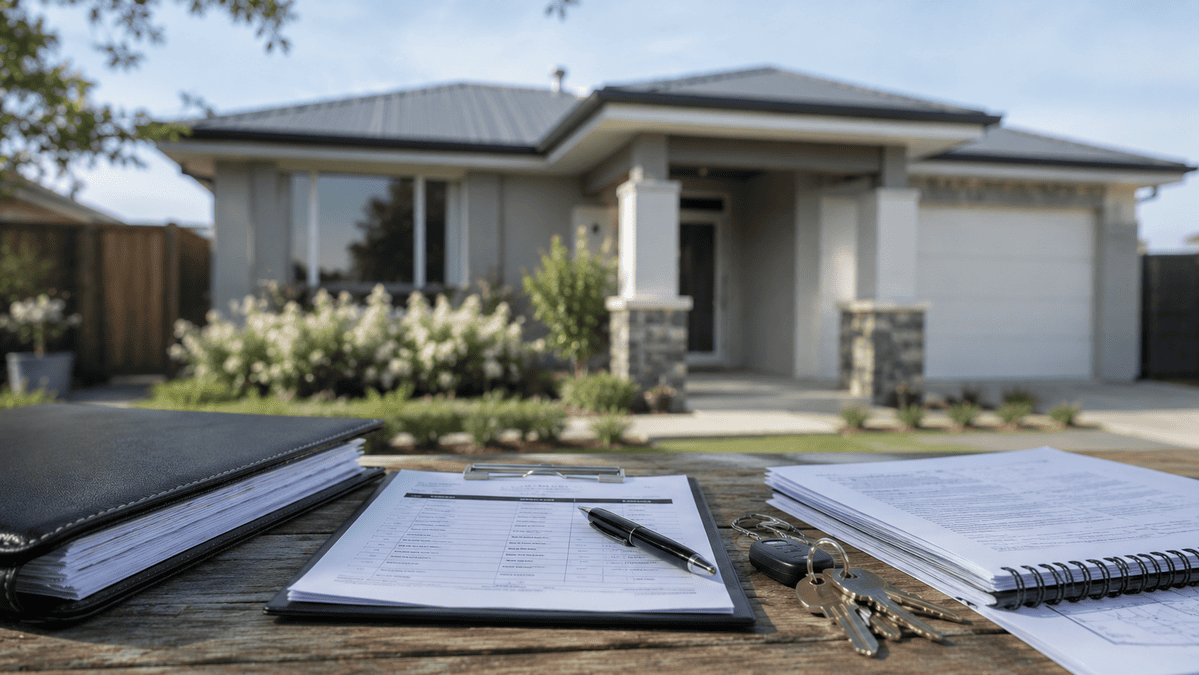
Buying your first home is exciting, but it is easy to get emotionally attached before you have looked closely at the risks.
A home can feel right because of the light, layout, street, kitchen, garden or location. Those things matter, but they do not tell you everything. Before you start imagining furniture placement or future weekends in the backyard, it helps to slow down and check the practical details that could affect your decision.
This article focuses on emotional decision-making early in the buying journey. It is not a full explanation of what an inspection includes. It is about the checks that help first-home buyers stay clear-headed before they become too attached.
At a glance
Before you fall in love with a property, check:
- whether the home suits your real budget, not just your dream budget
- whether the visible condition matches the asking price
- whether there are obvious signs of moisture, movement, roof issues or poor repairs
- whether the Section 32 and contract have been reviewed by the right professional
- whether the sale method affects your timing and conditions
- whether you need a pre-purchase building inspection before making a final decision
- whether timber pest risk should also be considered for the property type
A beautiful home can still come with expensive problems. The goal is not to become suspicious of every property. It is to pause long enough to make a better decision.
Why first-home buyers often get attached too early
First-home buyers are often under pressure before they fully understand the buying process.
You may be comparing listings every night, attending opens on weekends, watching prices move, dealing with finance approvals and trying to work out what is normal. When a property finally feels possible, it is natural to become attached quickly.
The problem is that emotion can make warning signs feel smaller than they are.
For example:
- “The bathroom just needs a refresh” may actually need waterproofing investigation.
- “The cracks are probably normal” may need closer assessment.
- “The agent said there has never been an issue” may not be enough on its own.
- “We can fix that later” may become expensive if several issues appear together.
Consumer Affairs Victoria’s due diligence checklist for home and residential property buyers reminds buyers that a property can be affected by different issues and that professional advice may be needed in some situations. That is a useful mindset for first-home buyers: enjoy the property, but check before committing. (Consumer Affairs Victoria)
The first check: does the property still make sense after the open?
After an open inspection, ask yourself a simple question:
Would I still be interested in this home if I removed the styling, the crowd, the music, the agent’s comments and the pressure?
Open homes are designed to show a property in its best light. Furniture placement, lighting, fresh paint and presentation can make defects harder to notice. That does not mean anything is wrong. It simply means you should separate how the home feels from what the home may need.
A practical first-home buyer check is to write down:
| What you liked | What needs checking |
| Location, layout, light, outdoor space | Cracks, damp smells, roof condition, drainage, old repairs |
| Renovated kitchen or bathroom | Whether the work appears properly documented |
| Good price range | Whether the condition explains the price |
| Strong emotional appeal | Whether you are overlooking practical risks |
This small step helps you move from “I love it” to “I need to understand it.”
Look for visible warning signs, but do not diagnose them yourself
You do not need to become a building expert before buying your first home. You just need to know which signs deserve attention.
At an open inspection, take note of:
- cracks around windows, doors, ceilings or external brickwork
- doors or windows that stick or do not close properly
- uneven floors
- damp smells, mould marks or bubbling paint
- stains on ceilings or walls
- poor bathroom ventilation
- loose tiles or cracked grout in wet areas
- rust, corrosion or damaged gutters
- evidence of patchy repairs
- soft timber, damaged skirting boards or areas that look recently covered
One sign does not automatically mean a property is a bad buy. The pattern matters. A small crack in one area may be minor. Cracks, moisture, uneven floors and poor drainage together may need a closer look.
This is where an independent inspection can help. NextGen Inspections provides support for buyers who want clearer information before they commit, and you can learn more about the team through NextGen Inspections if you are still early in your research.
Check whether the home has been renovated
First-home buyers often love renovated homes because they feel move-in ready. Renovation can be a positive, but it can also hide problems if the work was rushed, incomplete or poorly documented.
Before becoming too attached, ask:
- Which parts of the home have been renovated?
- Was the bathroom or kitchen recently updated?
- Were walls removed or layouts changed?
- Are there extensions, decks, verandahs or converted spaces?
- Are permits, certificates or warranties available where relevant?
- Does the finish look consistent, or does it feel like a quick cosmetic refresh?
This does not mean you should avoid renovated homes. It means you should avoid assuming that new surfaces equal low risk.
A freshly painted wall can look clean. It can also make it harder to see previous moisture marks or cracking. A new bathroom can look impressive, but poor waterproofing or drainage may not be obvious at first glance.
Do not ignore timber pest risk
First-home buyers often focus on the building condition and forget timber pest risk until later.
This can be a mistake, especially where the property has timber elements, older construction, garden beds close to the house, poor drainage, subfloor areas, stored timber, or signs of moisture. Timber pest risk is not only about whether you can see termites on the day. It is also about conditions that may attract or support activity.
If the property has possible pest risk, a combined building and timber pest inspection may be worth considering before you become too emotionally committed. This is especially relevant if you are trying to compare two homes and one appears cheaper but carries more unknowns.
The goal is not to panic. It is to understand whether the property has risks that should affect your offer, your confidence or your next steps.
Check the documents before your heart takes over
In Victoria, first-home buyers should take the contract and Section 32 vendor statement seriously. These documents can include information that affects the property and the decision to buy.
You should have the contract and Section 32 reviewed by a conveyancer or legal practitioner. This article is not legal advice, and it should not replace that review.
From a practical buyer perspective, the key point is simple: do not rely only on how the home looks.
Documents may raise questions about:
- planning or building permits
- owners corporation rules and fees
- easements or covenants
- zoning or overlays
- works completed at the property
- warranties or insurance connected to building work
- settlement conditions
- items included or excluded from the sale
A property can look perfect at the open and still have document questions that matter. For a first-home buyer, checking early can prevent a rushed decision later.
Understand the timing before you make an offer
Timing can change what you can check before committing.
If you are buying by private sale, you may be able to negotiate conditions, such as a building inspection clause, depending on the situation and the agreement. If you are buying at auction, the process is different and you usually need to complete your key checks before auction day.
This is one reason first-home buyers should avoid leaving inspection decisions until the last moment.
Ask yourself:
- Is this a private sale or auction?
- When are offers due?
- Is there enough time to review the contract and Section 32?
- Is there enough time to organise an inspection before the decision point?
- Am I being pushed to decide faster than I am comfortable with?
- What happens if the inspection or document review raises concerns?
If the timing is tight, you can book an inspection with NextGen or speak with the team about access and availability before the deadline gets too close.
A simple first-home buyer checklist before getting attached
Use this checklist after the open inspection and before you emotionally commit to the property.
Property condition
- Did I notice cracks, damp, stains, uneven floors or roof concerns?
- Did anything look freshly covered, patched or painted?
- Are there signs of poor workmanship or rushed repairs?
- Are wet areas, balconies, gutters and drainage worth closer attention?
Renovation and documentation
- Has the home been recently renovated?
- Were bathrooms, kitchens, decks or extensions changed?
- Are there documents or certificates that should be checked?
- Has my conveyancer or legal practitioner reviewed the contract and Section 32?
Pest and moisture risk
- Is there timber close to the ground?
- Are garden beds, stored timber or moisture near the home?
- Does the property have a subfloor, roof void or older timber elements?
- Would a combined inspection give me better clarity?
Timing and decision pressure
- Am I buying by private sale or auction?
- Do I have time to arrange the right checks?
- Am I rushing because I am afraid of missing out?
- Would I still want the home if the inspection found repair costs?
Budget reality
- Have I allowed for repairs after settlement?
- Am I buying at the top of my budget with no buffer?
- Could one or two unexpected repairs create financial stress?
- Does the price still make sense if the property needs work?
Practical example: the home that feels perfect
Imagine a first-home buyer finds a renovated two-bedroom home in a location they love. The kitchen looks new, the backyard is tidy and the agent says there has been strong interest.
At first, the buyer feels ready to make an offer.
Then they slow down and check the basics. They notice some cracking near a window, a musty smell in one bedroom and soft-looking timber near the back door. The bathroom also looks recently renovated, but there is no clear information yet about the work.
None of these issues automatically means the home should be avoided. But together, they create enough uncertainty to justify more checking before commitment.
That is the point of this process. You are not trying to talk yourself out of every home. You are trying to avoid falling in love before you understand what you are buying.
When to get independent clarity
A first-home buyer should consider getting independent clarity when:
- the property is older or recently renovated
- you see cracks, damp, stains, uneven floors or poor repairs
- there are timber pest risk factors
- the property is going to auction
- the sale timeline is tight
- the home is at the top of your budget
- you feel emotionally attached but still have unanswered questions
A pre-purchase inspection does not make the buying decision for you. It gives you clearer information so you can decide with less guesswork.
That may mean moving ahead with more confidence. It may mean asking more questions. It may mean adjusting your expectations. In some cases, it may mean deciding the risk is not right for you.
FAQs
Should I get emotionally attached to a property before an inspection?
It is normal to feel excited, but try not to make the property feel “already yours” before the main checks are complete. An inspection can help you understand whether visible concerns, repair risks or hidden issues should affect your decision.
What should a first-home buyer check at an open inspection?
Look for cracks, moisture signs, roof concerns, poor repairs, uneven floors, drainage issues and signs of rushed renovation work. You should also think about timing, documents and whether the property type may carry timber pest risk.
Is a renovated home safer for a first-home buyer?
Not always. A renovated home may be in good condition, but cosmetic updates can also hide older problems or poor workmanship. Ask what was renovated and make sure relevant documents are reviewed where needed.
Do I need a building inspection before auction?
If you are serious about bidding, it is usually better to complete your key checks before auction day. Auction contracts can be difficult to change after the event, so timing matters. Get advice specific to your situation before relying on assumptions.
Can I rely on the agent’s comments about the property?
Agent comments can be helpful, but they should not replace your own due diligence, document review or independent inspection. A first-home buyer should verify important details before making a major decision.
Get clarity before you commit
Falling in love with a home is part of the first-home buyer journey. The important thing is to let your excitement sit beside practical checks, not replace them.
Before you commit, make sure you understand the condition, documents, timing and risks well enough to make a clear decision.
If you are considering a property in Victoria and want independent clarity before moving forward, NextGen Inspections can help with a pre-purchase building inspection or the right inspection pathway for the situation.